


Strong sunlight quickly heats your car and fades your interior surfaces. Many drivers compare carbon vs ceramic tint before making a smart decision. This guide explains both options using simple facts and clear comparisons.
People often ask what makes these films different in real use. The answer depends on heat control, price, and long-term durability factors. You will also learn which option installers recommend for everyday UK driving.
What is Carbon Window Tint Film?
Carbon film uses carbon particles inside the layer to block heat. This design creates a dark finish without using metal inside the film. Many drivers choose it because it offers good value and stable performance.
How Carbon Film Works
Carbon window tint blocks approximately 40% of infrared heat effectively. It also does not interfere with mobile or GPS signals at all. The film absorbs heat instead of reflecting it, keeping interiors cooler.
Unlike dyed films, carbon film does not fade quickly over time. It maintains its color and strength even under strong sunlight conditions. This makes it a reliable choice for daily use vehicles.
Pros and Cons of Carbon Window Tint
Carbon film sits in the middle range for performance and pricing. It offers good heat control without the high cost of ceramic options. Many installers recommend it for balanced performance and budget needs.
Key benefits:
- Blocks around 40% infrared heat consistently
- Does not affect GPS or mobile signals
- Costs less than ceramic films in most cases
Limitations:
- Lower heat rejection than ceramic film
- Slightly less advanced technology overall
- Not the top choice for maximum comfort
What is Ceramic Window Tint Film?
Ceramic tint uses advanced non-metal particles to block heat and sunlight. This modern design gives higher performance without affecting electronic signals. It is widely seen as a premium upgrade option.
How Ceramic Film Works
Ceramic window tint blocks up to 99% of harmful UV rays. It also blocks around 60 to 80 percent of infrared heat effectively. This makes it stronger than carbon film in heat rejection performance.
The film contains no metal particles at all inside its structure. Due to this, it does not interfere with the radio or GPS signals. It provides good performance without compromising on modern technology.
Pros and Cons of Ceramic Window Tint
Ceramic tint offers top-level protection and comfort for daily driving. Many installers recommend it for drivers wanting the best window film performance. However, the cost remains higher compared to carbon options.
Key benefits:
- Blocks up to 99% UV rays for strong protection
- Rejects up to 80% infrared heat effectively
- Does not interfere with signals or electronics
Limitations:
- Costs more than carbon tint options
- Requires a higher budget for full vehicle coverage
- Installation cost may also be slightly higher
Carbon vs Ceramic Tint: Side-by-Side Comparison
Drivers often compare carbon tint vs ceramic tint to find the right fit. This window film comparison focuses on real performance differences that matter daily. Each factor below helps you decide clearly and quickly.
Heat Rejection
Ceramic film clearly wins in heat rejection performance across all conditions. It blocks up to 80 percent of infrared heat inside the vehicle cabin. Carbon film blocks about 40 percent, offering moderate heat control.
This difference becomes noticeable during hot summer driving conditions in cities. Ceramic film keeps interiors cooler and reduces air conditioning load significantly. Carbon still helps, but not at the same strong level.
Signal Interference
Both options perform well when it comes to signal interference issues. Carbon film does not block mobile or GPS signals during daily use. Ceramic film also contains no metal, so signals remain unaffected always.
Drivers using navigation systems or Bluetooth devices face no problems here. This makes both films safe for modern vehicles with advanced technology systems. Signal performance remains stable in all driving situations.
Durability
Carbon film offers solid durability and resists fading better than dyed films. It maintains its color and performance over several years of use. Ceramic film provides even better durability with an advanced material structure.
Ceramic tint resists heat damage and wears more effectively over time. This makes it a longer-lasting option for drivers planning long-term upgrades. Both films perform well, but ceramic edges ahead slightly.
Cost
The cost of tint of carbon is generally thirty to fifty percent less than that of tint of ceramic. This is what makes it appealing to drivers who are working on a tight budget nowadays. Ceramic tint costs more but delivers higher performance and comfort benefits.
If budget matters most, carbon film offers strong value for money. If performance matters more, ceramic film justifies the higher price easily. This makes the decision simple based on personal priorities.
Which Window Tint Film is Right for UK Vehicles?
UK drivers must follow legal rules when choosing any window tint film. Front side windows must allow at least 70 percent light transmission legally. Both carbon and ceramic films must meet these visibility requirements.
If you want better heat control, ceramic film becomes the clear winner. It suits long drives and hot conditions where comfort matters most. Many installers suggest it as the best window tint type available today.
If you prefer saving money, carbon film offers a smart alternative option. It is neither too expensive nor too atrocious to be used in everyday life. Concerning whether to use carbon or ceramic window film, it is a matter of budget and expectations.
Window Tint and Vinyl Wrap: Completing the Vehicle Enhancement Package
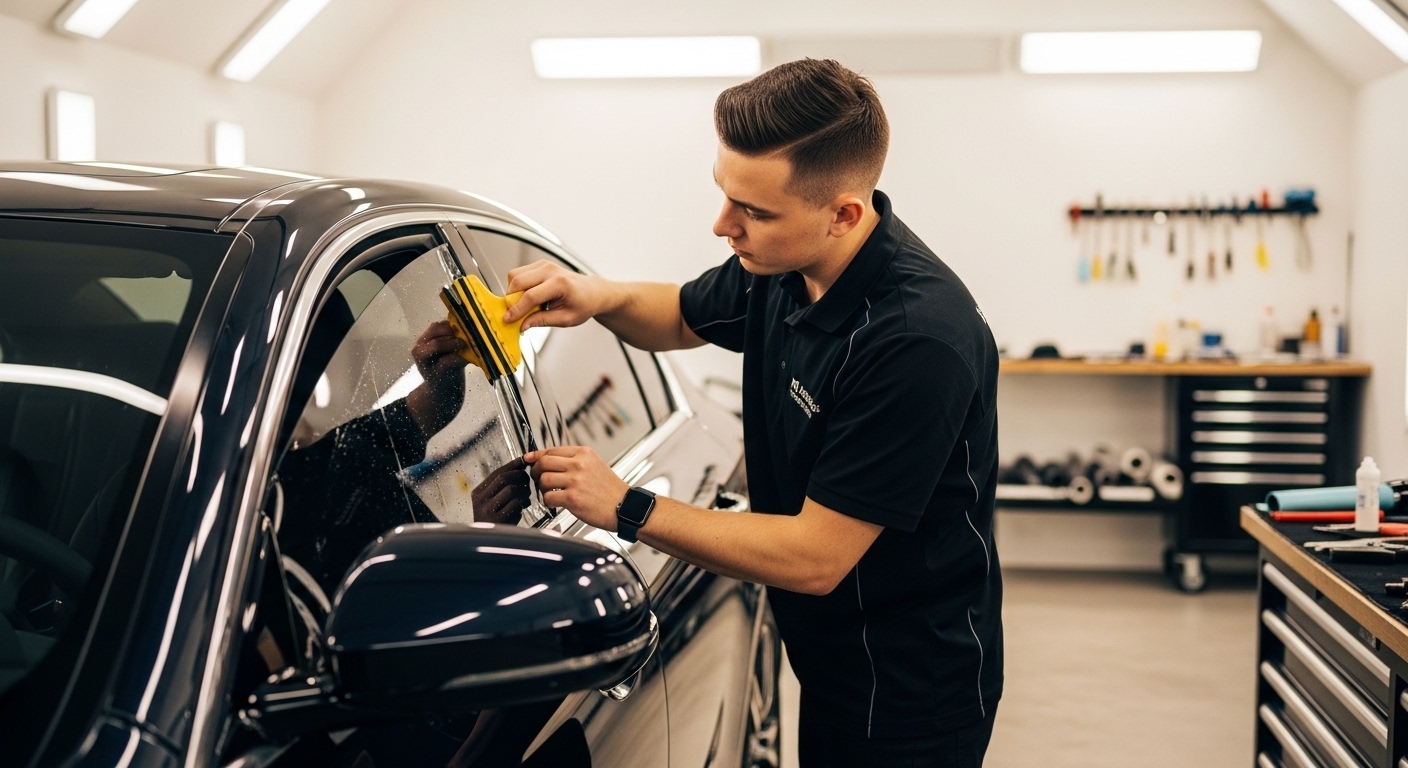
Tinting and wrapping together create a clean and modern vehicle appearance. Many drivers combine tint with styling upgrades for a full transformation. This pairing improves both comfort and overall visual appeal instantly.
You can explore more vinyl wrap and film products to match your tint choice. Adding wrap details creates a strong, unified design across your vehicle surfaces. This approach works well for both personal cars and business vehicles.
Drivers also explore styling upgrades like the tail light tint film guide. These small changes add personality and complete the overall upgraded look. Combining both upgrades creates a polished and premium vehicle finish. Choose your perfect tint and explore premium styling films today.
? Upgrade Your Car the Smart Way
FAQs
What is the difference between carbon and ceramic window tint?
Carbon tint blocks around 40% infrared heat with lower cost benefits. Ceramic tint blocks up to 80% infrared heat with higher performance levels.
Is ceramic tint better than carbon tint?
Admittedly, ceramic tint has high heat rejection and improved overall performance.
Does carbon window tint block heat?
Yes, carbon tint blocks approximately 40% of infrared heat effectively.
Is ceramic window tint worth the extra cost?
Yes, it is better heat and UV resistant, as well as provides long-lasting durability.
What is the legal window tint level in the UK?
Front side windows must allow at least 70% light transmission legally.