


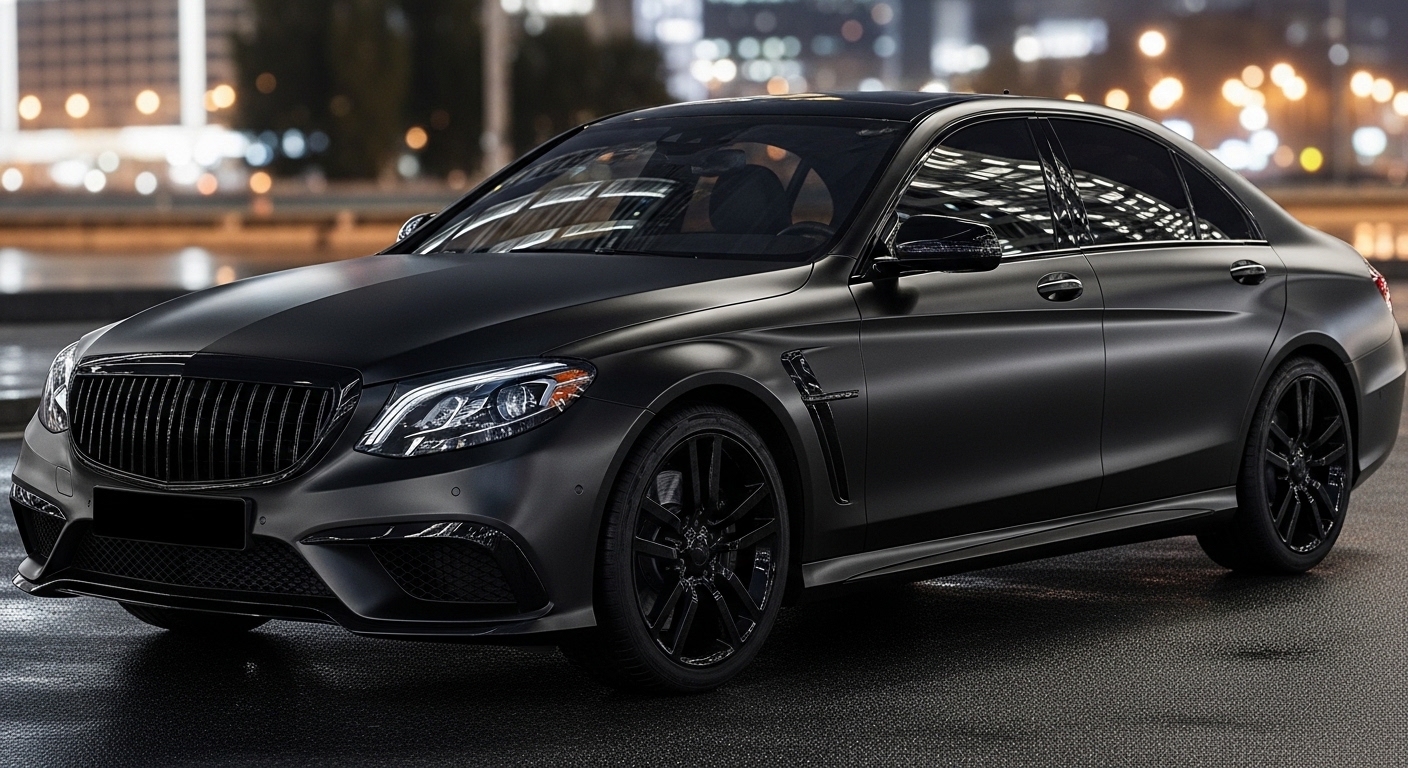
Chrome delete is the process of covering chrome exterior trim with dark vinyl film for a blacked-out look. Many drivers search what is chrome delete on a car when modern styling trends catch their attention. Dark trim gives vehicles a sportier and cleaner appearance instantly.
Many modern car owners choose chrome delete vinyl wrap instead of factory black trim upgrades. The process belongs to the wider dechroming car vinyl wrap styling trend across Europe. It creates a stealth appearance without permanently changing factory parts.
Many guides explain that you can vinyl wrap over chrome surfaces in simple steps. Our guide also expands the dechroming wraps overview used by professional installers. Understanding materials and preparation improves long-term wrap durability.
What Is Chrome Delete and Why Is It More Popular Than OEM Black Packs?
Car enthusiasts often ask again what exactly is chrome delete on a car exactly. Dechroming simply covers shiny trim with dark vinyl film layers. The result looks similar to factory sport styling packages.
Drivers like the aggressive styling created by chrome delete vinyl wrap installations. Many premium brands now sell black trim options directly from dealerships. However vinyl wrap achieves the same look with far lower cost.
Many installers also explain that dechroming is reversible during consultations. Dechroming is not permanent, the vinyl is removable and original chrome remains protected beneath. Drivers can restore factory appearance by removing the wrap later.
Key facts about dechroming
- Dechroming covers exterior chrome trim using dark vinyl film layers.
- Premium dealer black packs often cost between £800 and £3,500.
- Vinyl chrome delete vinyl wrap uses around one to three square meters.
- DIY material cost often stays between £15 and £50 using TeckWrap cast vinyl.
Chrome Delete vs Factory Black Pack; The Cost Difference That Matters
Many drivers compare chrome delete vs dealer black pack options carefully. Dealer black pack packages on German cars usually cost several thousand pounds. These options include factory painted trim components.
DIY vinyl wrapping creates a similar look using far cheaper materials. Typical dechroming cost UK materials range between fifteen and fifty pounds. This price depends on vinyl brand and trim coverage size.
The table below compares realistic price differences between both styling approaches.
|
Option |
Typical Cost |
What You Receive |
|
DIY dechroming vinyl wrap |
£15 – £50 material |
Vinyl covering chrome trim |
|
Professional wrap installation |
£150 – £400 |
Labour plus vinyl material |
|
Factory dealer black pack |
£800 – £3,500 |
Factory painted trim components |
Many drivers choose vinyl because it offers flexibility and affordability.
Is Chrome Delete Reversible? What Happens to the Original Chrome
Drivers often ask again if dechroming is reversible after installation. Vinyl film protects the chrome surface beneath during normal driving. Removal restores the original trim finish completely.
Professional installers use removable cast vinyl adhesives during installation. These adhesives release safely without damaging the chrome underneath. Proper removal leaves surfaces clean and intact.
Therefore dechroming vinyl wrap provides temporary styling freedom. Drivers experiment with darker trim looks without permanent modification risks. This flexibility increases popularity among car enthusiasts.
Identifying Your Chrome Trim Type; The Step That Most Guides Skip
Successful dechroming work starts with identifying the trim surface material. Different chrome parts use different materials across modern vehicles. Each surface type needs slightly different preparation methods.
Many guides skip this step completely when explaining how to do chrome delete with vinyl wrap. However surface identification determines adhesive bonding performance later. Correct preparation ensures vinyl film stays attached for years.
Common trim areas include dechroming door handles, window surrounds, mirror caps, and grilles. These components use plastic, metal, or chrome-effect painted surfaces. Each type requires different preparation steps.
ABS Plastic Chrome (Door Handles, Mirror Caps): What to Look For
Many modern vehicles use plastic chrome trim for exterior components. Door handles and mirror caps often use ABS plastic substrates. Installers describe this surface type as ABS plastic chrome wrap.
ABS plastic chrome trim works well with cast vinyl adhesive systems. The plastic surface provides stable bonding without extra primer steps. Installers still clean the surface carefully before film application.
Common trim areas include chrome delete door handles and chrome delete mirror caps. These parts contain curves and edges that require careful heat application. Correct heating helps vinyl conform smoothly around shapes.
Metal Chrome (Window Surrounds, Grilles): Why Preparation Is Different
Window surrounds and grilles often use real metal chrome trim pieces. These surfaces show lower adhesion compared with painted automotive surfaces. Installers prepare these areas carefully before applying vinyl.
Metal surfaces sometimes require a metal chrome adhesion promoter during installation. Adhesion promoter raises bonding strength between vinyl and chrome surfaces. This improves durability beyond two years of outdoor exposure.
Common examples include chrome delete window surrounds and grille trims. Some vehicles feature a chrome delete BMW kidney grille styling upgrade. Proper preparation prevents vinyl lifting around edges.
Chrome-Effect Paint; How to Identify It and Why It Needs Different Treatment
Some modern trim parts use chrome-effect paint instead of real metal plating. This coating reflects light similarly to chrome surfaces visually. However the underlying material behaves differently during vinyl installation.
Chrome-effect paint typically exists on plastic components. These surfaces behave similarly to painted automotive panels. Vinyl adhesive bonds reliably with correct cleaning preparation.
Installers still follow full cleaning procedures during dechroming with vinyl wrap projects. Removing wax and oils ensures strong bonding performance. Correct preparation prevents bubbling problems later.
Which Vinyl Finish Looks Most Like an OEM Black Pack?
Many drivers choose dechroming to copy factory sport trim styling. Vinyl manufacturers produce several finishes that mimic OEM appearance. Choosing the correct finish improves the final visual result.
German premium vehicles usually use satin or gloss painted trim surfaces. Matching the sheen level creates a realistic factory look. This decision influences the final appearance significantly.
Professional installers recommend cast vinyl materials for durability. Cast vinyl stretches and conforms around curved trim pieces easily. This property makes it the best vinyl for dechroming projects.
Satin Black: Why It Matches Dealer Trim More Closely Than Matte
Many premium vehicles use satin plastic trim instead of deep matte surfaces. Satin films replicate the subtle sheen used by factory trim components. Therefore satin black vinyl chrome delete remains the most popular option.
Satin finish matches factory trim from BMW, Audi, and Mercedes models. The surface reflects light softly without glossy reflections. This creates a convincing factory appearance.
Drivers often choose satin film when matching factory sport trim packages. The finish blends smoothly with existing plastic trim components. Many installers recommend it for realistic dechroming piano black match alternatives.
Gloss Black: When to Use It (Piano Black Trim Match)
Some vehicles use glossy trim called piano black from the factory. Gloss vinyl recreates this appearance on chrome surfaces effectively. Installers call this style gloss black chrome delete.
Gloss black reflects light strongly compared with satin surfaces. This effect matches AMG and M Sport styling packages well. Many drivers choose it for dramatic contrast.
Gloss vinyl works well for chrome delete window surrounds and grille trims. The finish complements black wheels and tinted windows nicely. It creates a bold modern styling upgrade.
Gunmetal and Carbon Alternatives for a Non-Standard Dechroming
Some drivers prefer unique styling instead of traditional black trim. Vinyl manufacturers produce gunmetal and carbon pattern films. These finishes create custom appearance upgrades.
Gunmetal finishes provide a subtle metallic grey effect. Carbon films imitate motorsport-inspired textures visually. Both options remain popular among customization enthusiasts.
These alternatives still follow standard how to do chrome delete with vinyl wrap procedures. Installers apply the films similarly to black vinyl materials. Preparation and heating remain essential.
How to Apply Chrome Delete Vinyl on Small Trim Pieces Without Bubbles
Small trim components challenge beginners during dechroming vinyl wrap installation. Door handles and mirror caps contain curves and edges. Careful technique prevents bubbles and lifting problems.
Professionals recommend working slowly with small vinyl pieces. Stretching the film gently reduces tension during installation. Heating also helps the material conform around complex shapes.
The steps below explain dechroming with vinyl wrap successfully. Following correct preparation and heating techniques ensures professional-looking results.
Cleaning and Degreasing Chrome Surfaces Before Application
Proper cleaning determines the success of every dechroming installation. Installers remove wax, dirt, and oils before applying vinyl film. Contamination weakens adhesive bonding strength.
Technicians use alcohol-based cleaners for degreasing chrome trim surfaces. These solutions dissolve oils left from fingerprints and road grime. Clean surfaces allow adhesive to bond correctly.
This step also prepares surfaces for surface preparation before vinyl wrap procedures. Many professionals repeat cleaning twice before installation begins. This ensures reliable bonding performance.
Cutting Vinyl for Small Complex Shapes; Knifeless Tape vs Blade
Trim components often contain tight corners and complex shapes. Cutting vinyl carefully prevents scratches on chrome surfaces. Professionals often prefer knifeless tape chrome delete techniques.
Knifeless tape hides a thin cutting filament under the vinyl film. Pulling the filament slices vinyl without touching the surface. This method prevents accidental scratches.
Many installers explain this technique in guides about knifeless tape for trim cutting. It provides clean edges and professional results. Beginners also find it safer than blade cutting.
Heat Technique on Door Handles and Curved Mirror Caps
Heat softens vinyl film and improves flexibility during installation. Installers warm vinyl gently before stretching around curved surfaces. Controlled heating prevents wrinkles and tension.
Door handles often require heat to wrap around edges smoothly. This technique works well for dechroming door handles installations. Heat helps vinyl conform to curved geometry.
Installers typically heat vinyl to around eighty to one hundred degrees. This technique appears often in guides about heat gun technique for trim wrapping. Controlled heating produces smooth wrinkle-free finishes.
The Full Dechroming Parts List for Common UK Cars
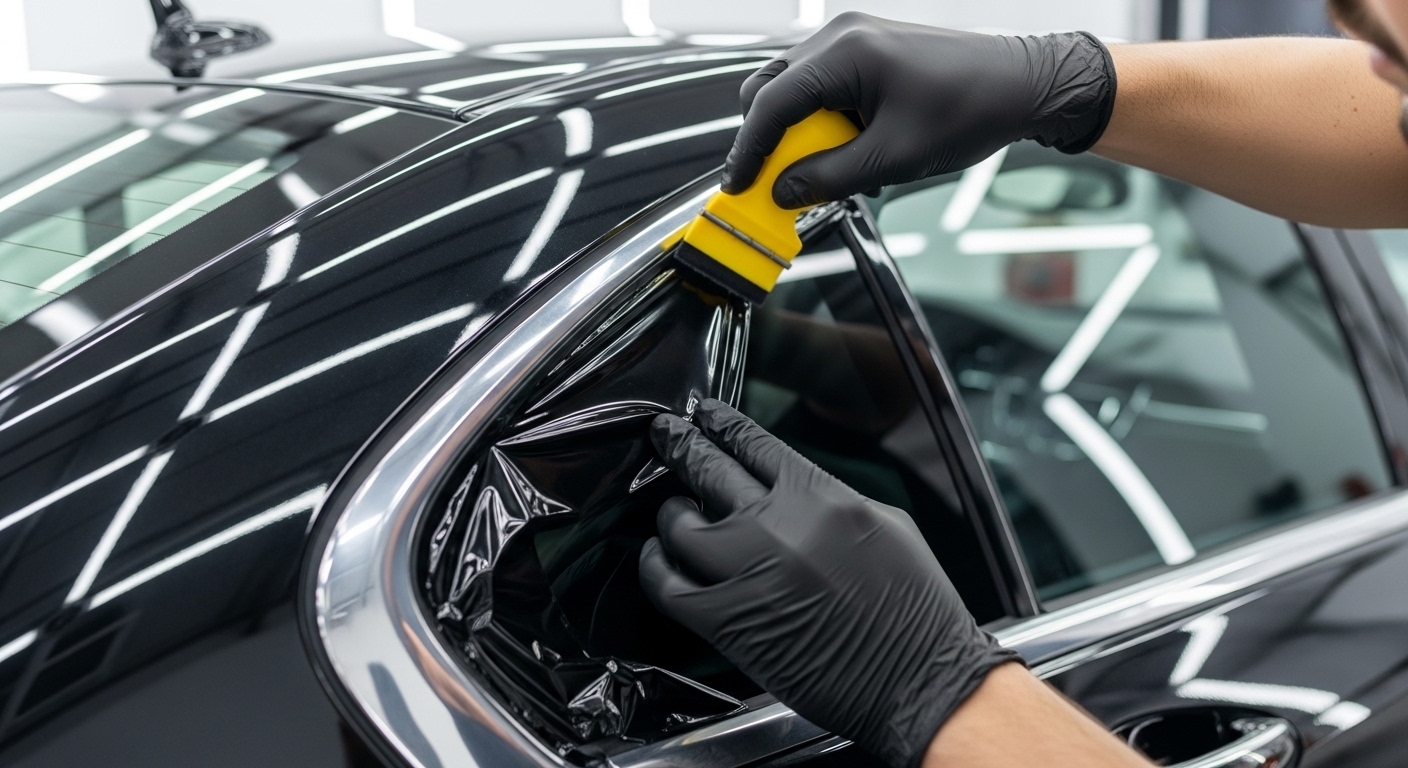
Many UK vehicles share similar chrome trim components across different brands. Typical trim areas include window surrounds, door handles, mirror caps, and grilles. These parts form a full dechroming project.
Common installations include chrome delete BMW kidney grille upgrades on BMW models. Audi, Volkswagen, and Mercedes vehicles also feature similar chrome trim layouts. Each model requires slightly different vinyl quantities.
The table below shows common trim parts involved in a complete dechroming.
|
Vehicle Model |
Common Chrome Parts |
|
BMW 3 Series |
Window surrounds, chrome delete BMW kidney grille, door handles |
|
VW Golf |
Window surrounds, grille trim, mirror caps |
|
Audi A4 |
Window surrounds, grille edges, mirror caps |
|
Mercedes C-Class |
Window trim, door handles, grille details |
Drivers searching to buy chrome delete vinyl UK options often shop TeckWrap black vinyl wrap. These cast vinyl materials stretch easily around curved trim components. Professional installers trust them for durable chrome delete vinyl wrap projects.
Frequently Asked Questions
1. What is chrome delete on a car?
Dechroming covers chrome exterior trim using dark vinyl film.
2. How much does chrome delete cost vs dealer black pack?
DIY dechroming UK materials cost £15–£50. Dealer black pack options cost between £800 and £3,500.
3. Is chrome delete reversible?
Yes. Dechroming vinyl wrap removes safely and preserves the original chrome.
4. What is the best vinyl for chrome delete?
Installers recommend satin black vinyl chrome delete using cast vinyl film.
5. How to apply vinyl to chrome door handles without bubbles?
Clean surfaces thoroughly, squeegee gently, and heat vinyl to 80–100°C.