


UK drivers now keep their cars longer than ever before. Many owners keep vehicles for over seven years. Long-term paint protection has become an important concern for everyday driving. Road wear, weather exposure, and resale value now influence protection choices. Color PPF combines visual style with strong surface protection. This makes it different from traditional wraps or paint coatings. Many UK drivers now ask how long color PPF lasts. The answer depends on care, environment, and driving habits. UK roads present unique challenges with rain, grit, and winter salt. Color PPF helps reduce damage while improving vehicle appearance. This protective film offers a balanced solution for long-term ownership. Understanding lifespan helps drivers make smarter protection decisions. Realistic expectations help avoid early replacement costs. Coloured paint protection film continues gaining popularity across the UK automotive market.
Average Lifespan of Color PPF
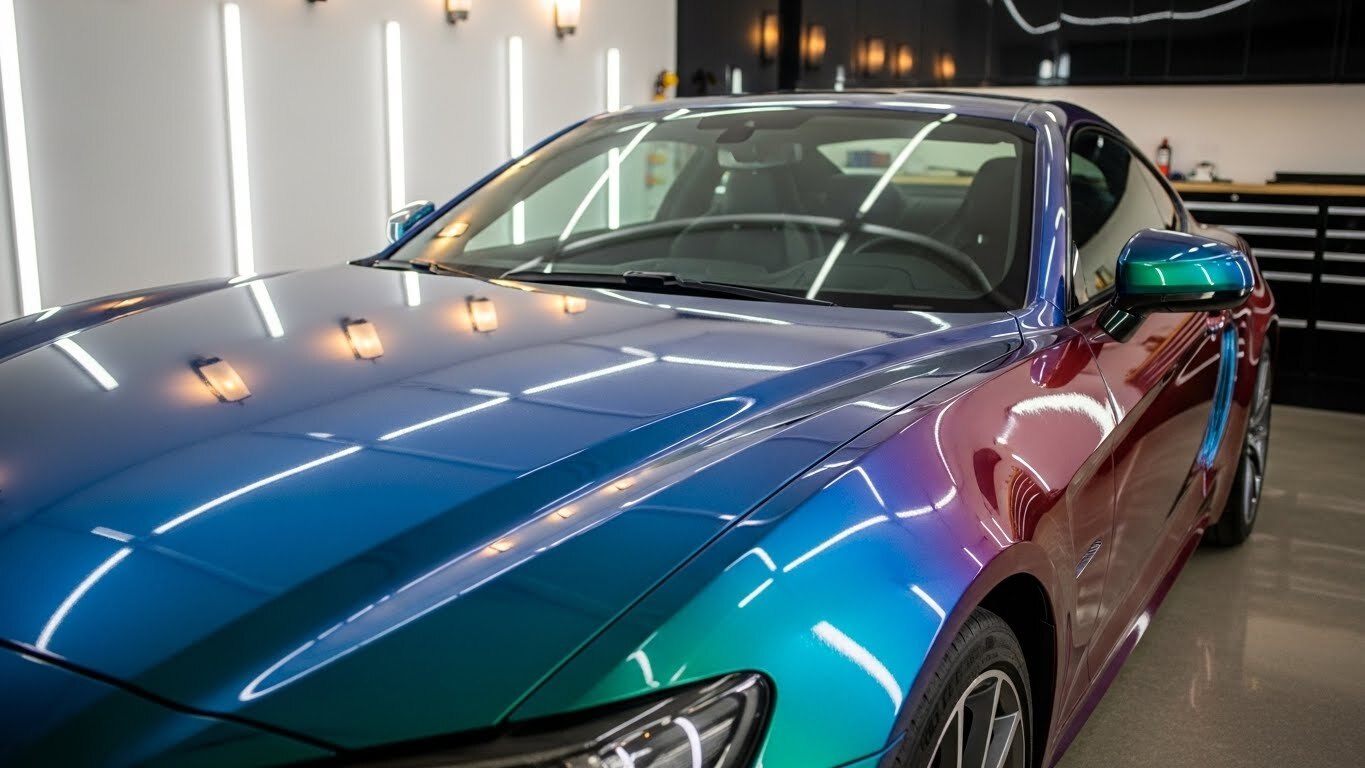
In the UK, high-quality coloured paint protection film usually lasts five to ten years. Proper installation plays a key role in long-term performance. Skilled installers ensure smooth edges and full surface coverage. Industry data shows protective films outlast many cosmetic coatings. Compared to vinyl wraps, Coloured vehicle protection film uses thicker materials. This thickness improves resistance against stone impacts and abrasion. Color PPF lifespan improves with premium-grade film selection. Budget films may age faster and lose clarity early. Daily driving conditions also influence how long protection lasts. Highway driving increases stone chip exposure over time. Urban driving causes friction from dust and debris. Despite these factors, Coloured vehicle protection film performs consistently with correct care. Many UK vehicles reach seven years without major degradation. Long-term protection makes Color PPF a strong investment choice. Drivers planning extended ownership benefit the most. Understanding durability helps manage maintenance expectations clearly.
Impact of UK Weather Conditions
UK weather strongly affects paint protection performance. Rainfall remains frequent throughout most regions. Winter introduces road salt, moisture, and freezing temperatures. Summer brings UV exposure that stresses surface materials. These conditions accelerate aging on unprotected paint surfaces. PPF durability in the UK depends on how well films handle these stresses. Color PPF provides a barrier against moisture penetration. It also resists chemical damage from salt and pollutants. Vehicles parked outdoors experience faster edge wear. Garage-stored vehicles maintain film integrity longer. Temperature changes cause expansion and contraction stress. High-quality films handle these shifts more effectively. Regular inspection helps identify early edge lifting signs. Choosing coloured PPF coating reduces long-term weather-related paint damage. The UK climate makes protection more necessary than optional. Understanding environmental impact helps drivers maintain film performance longer.
Driving Habits & Care
Driving habits directly affect protective film longevity. High mileage increases surface contact with debris. Motorway driving exposes films to frequent stone impacts. City driving causes constant friction from dirt and dust. Poor washing habits increase abrasion damage risk. Proper care greatly improves paint protection film longevity. Hand washing reduces micro-scratches on the film surface. Automatic washers may shorten the lifespan due to harsh brushes. Cleaning contaminants quickly prevents surface staining. Parking habits also influence wear rates. Covered parking protects against UV and weather exposure. Gentle drying prevents edge lifting and swirl marks. Regular inspection helps detect early wear issues. Care routines significantly extend usable film life. Responsible driving and maintenance protect the coloured PPF coating investment value.
How to Extend Color PPF Life
Consistent care habits improve long-term film performance. UK installers recommend regular, gentle cleaning schedules. Using pH-neutral products prevents chemical surface damage. Hand washing preserves film clarity and flexibility. Parking under cover reduces UV and weather exposure. Seasonal protection matters during harsh winter months. Salt removal prevents surface degradation and staining. Avoid aggressive pressure washing near film edges. Applying film-safe sealants enhances surface protection. These habits improve how long color PPF lasts. Drivers who follow care routines see longer service life. Small efforts prevent costly early replacements. Maintenance protects both film appearance and performance. Long-term care makes coloured PPF coating more cost-effective. Smart habits keep vehicles looking newer for years.
Signs It’s Time to Replace
Over time, coloured PPF coating may show visible ageing signs. Yellowing indicates material breakdown from UV exposure. Edge lifting suggests adhesive weakening or improper cleaning. Loss of gloss affects overall vehicle appearance. Surface scratches may reduce protective performance. In the UK, replacements often align with ownership changes. Lease returns also trigger replacement decisions. Most replacements occur due to cosmetic ageing. Structural failure remains less common with quality films. Daily-driven vehicles show wear earlier than weekend cars. Regular inspections help plan timely replacements. Early replacement prevents underlying paint damage. Recognising wear signs protects long-term vehicle value. Replacement decisions should balance appearance and protection needs.
Conclusion
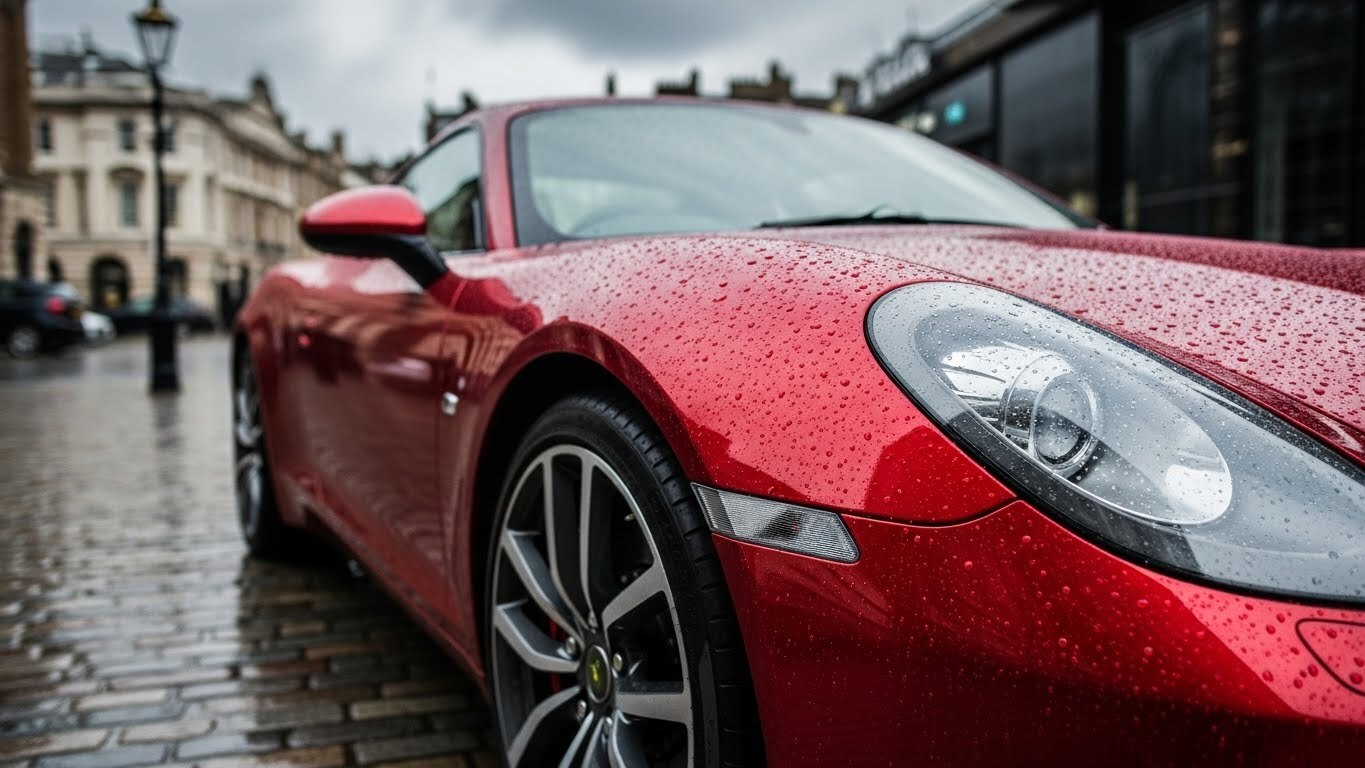
Color PPF delivers strong long-term value for UK vehicle owners. Protection performance depends on care, usage, and environment. Weather conditions influence aging but remain manageable. Proper maintenance extends film life beyond basic expectations. Color PPF lifespan often exceeds traditional cosmetic options. Understanding these factors supports smarter protection decisions. Long-term ownership benefits most from this investment. Realistic expectations prevent disappointment and unnecessary replacements. coloured PPF coating remains a practical solution for UK driving conditions. Informed choices lead to better protection outcomes.
Vehicle owners should regularly review protection performance based on driving habits and storage conditions. Evaluating appearance changes helps decide whether the current protection still meets long-term goals.