


Vinyl wrapping has become a common sight on UK roads today. You see wrapped cars in busy cities and quiet neighbourhoods alike. Daily commuters now choose wraps for protection and style. Weekend show cars also use wraps to make a strong visual impact. The UK vehicle customisation market continues to grow each year. Drivers now prefer upgrades that are reversible and resale-friendly. Vinyl wrapping offers exactly that level of flexibility.
However, one concern always stays in every driver’s mind. Many people ask if vinyl wrap harms original paint surfaces. Others wonder if wrapping actually helps protect paint instead. These questions matter because paint condition affects resale value. Car owners want upgrades without long-term damage risks. Understanding Vinyl wrap paint safety helps drivers make confident decisions. This guide explains the truth clearly using simple and honest explanations.
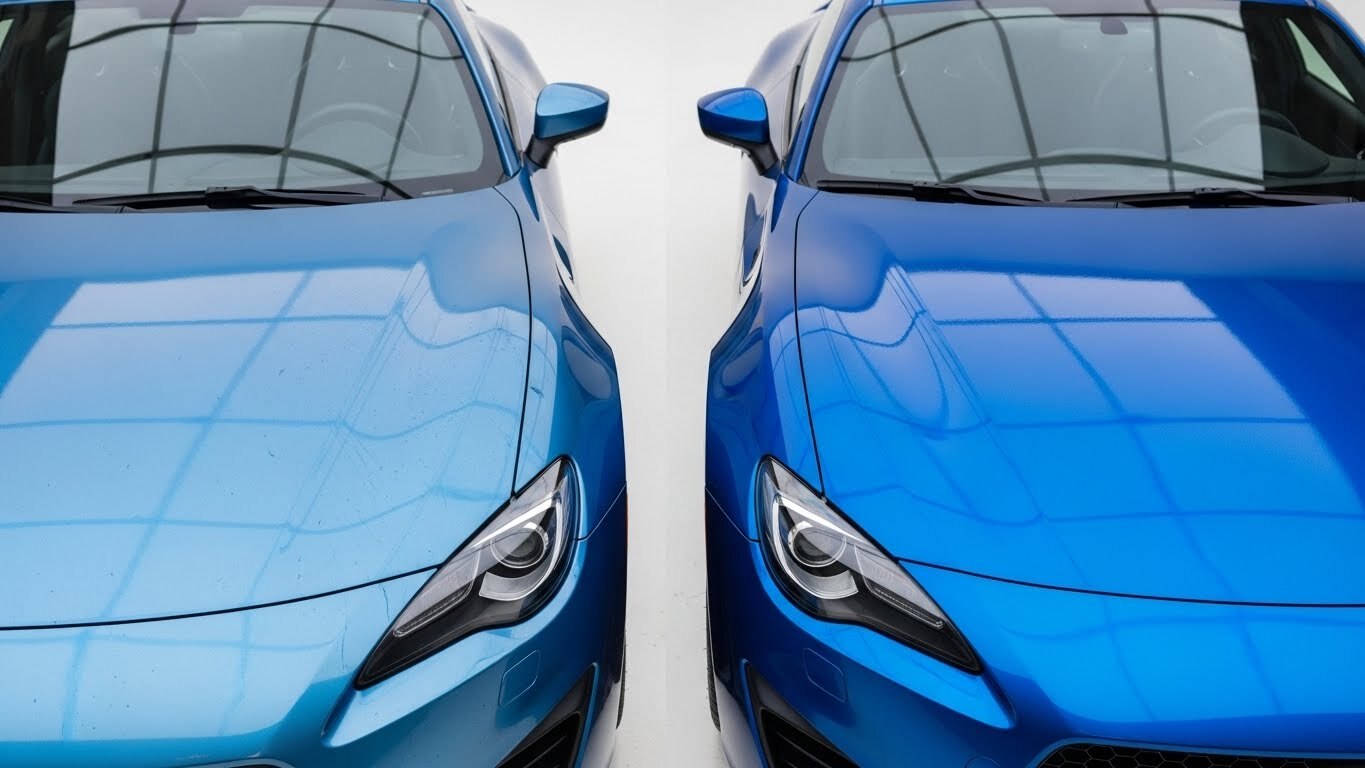
Can Vinyl Wraps Damage Your Car’s Paint?
In normal conditions, vinyl wraps do not damage factory paint. Modern vehicles use strong baked paint systems from factories. These paint layers bond well with vinyl adhesive materials. When removed correctly, wraps usually leave paint untouched. Problems appear only when the paint is already weak. Poor repairs, peeling clear coats, or fading paint create risk.
Older cars sometimes carry repaint jobs with lower quality finishes. These weak layers can lift during vinyl removal. This damage does not come from vinyl itself. The issue comes from the surface condition before installation. UK factory paint stays durable because it cures at high temperatures. This process creates a stable surface for wrapping. Vinyl adheres gently but firmly without chemical bonding.
Many drivers misunderstand this process completely. Some blame vinyl when paint lifts during removal. In reality, the paint already lacked proper adhesion. Vinyl simply reveals existing problems. That is why professional inspection matters before wrapping. Healthy paint ensures excellent Vinyl wrap paint safety outcomes. This understanding clears confusion for most first-time wrap buyers. Detailed explanations around common myths are covered in this guide on whether wraps damage paint, which clears up why most issues come from surface condition rather than the vinyl itself.
How Vinyl Wrap Protects Your Car’s Paint
A vinyl wrap acts like a protective skin for your vehicle. It covers paint and shields it from daily damage. Road grit, stone chips, and debris cause surface wear. Vinyl absorbs these impacts before paint suffers damage. In the UK, rain and grit affect vehicles every day. Winter road salt also attacks exposed paint surfaces. Wraps block harmful ultraviolet rays from sunlight. UV exposure fades paint over time without protection. Vinyl layers reduce colour fading and oxidation risks. Bird droppings and tree sap damage paint quickly. Vinyl makes cleaning easier and prevents staining underneath. Light scratches from parking or car washes stay on vinyl.
Many wrapped cars show better paint underneath after removal. Drivers often notice cleaner panels compared to unwrapped areas. This benefit becomes clear after three to five years. Daily driving conditions slowly wear exposed paint surfaces. Vinyl protects against this slow damage process effectively. This makes vinyl a strong option for car protection. When removed correctly, original paint often looks refreshed. The wrap preserved the surface against weather and debris. This protection helps resale value remain strong. Buyers prefer cars with original undamaged paint. Vinyl wrapping supports this goal without permanent changes.
Comparing Vinyl Wrap to Traditional Paint Jobs
Traditional resprays permanently change a vehicle’s surface. Once painted, the original finish disappears forever. Poor resprays often reduce resale value significantly. Even quality resprays rarely match factory paint standards. Paint jobs also require more time and preparation. Many resprays take weeks to complete fully. Wraps offer a different approach entirely. They are removable and reversible at any time. Owners can return vehicles to factory condition easily. This feature helps lease drivers and frequent sellers. Vinyl wrapping costs less than a full respray. It also avoids long workshop downtime.
Paint jobs expose vehicles to sanding and chemical treatments. These processes permanently alter metal and primer layers. Wrap installation avoids such invasive methods entirely. Vinyl uses surface adhesion without chemical bonding. This makes wraps safer for long-term paint damage prevention. UK drivers who change cars often prefer vinyl. They gain flexibility without permanent commitments. Wraps support personal style while protecting factory finishes. This balance makes vinyl wrapping increasingly popular nationwide. A detailed comparison between the two approaches is explained in the guide Car wrap vs Paint: Which is best for you?, including cost, lifespan, and resale considerations.
Tips for Safe Vinyl Wrap Installation
Paint condition matters more than vinyl quality alone. Wrapping over damaged paint increases removal risks later. Peeling clear coats may lift with vinyl film. Panels with previous bodywork need careful inspection. Older vehicles often show paint fatigue over time. If the paint already fails, wrapping becomes unsuitable temporarily. Repairs should come before any vinyl installation. Wrapping weak paint hides problems instead of fixing them. Later removal then exposes larger damage. Understanding this avoids disappointment later. This situation is explained clearly in the guide on wrapping cars with peeling paint.
Surface preparation plays a major role in safety. Installers clean paint thoroughly before application. Dirt or wax residue reduces proper adhesion. Temperature also affects vinyl performance. Cold weather stiffens film and weakens adhesion. UK installers prefer moderate indoor conditions for best results. Proper tools and techniques ensure clean removal later. Professionals use controlled heat during removal. This softens adhesive without pulling paint layers. Rushing removal increases damage risks unnecessarily. Safe installation practices protect Vinyl wrap paint safety long term.
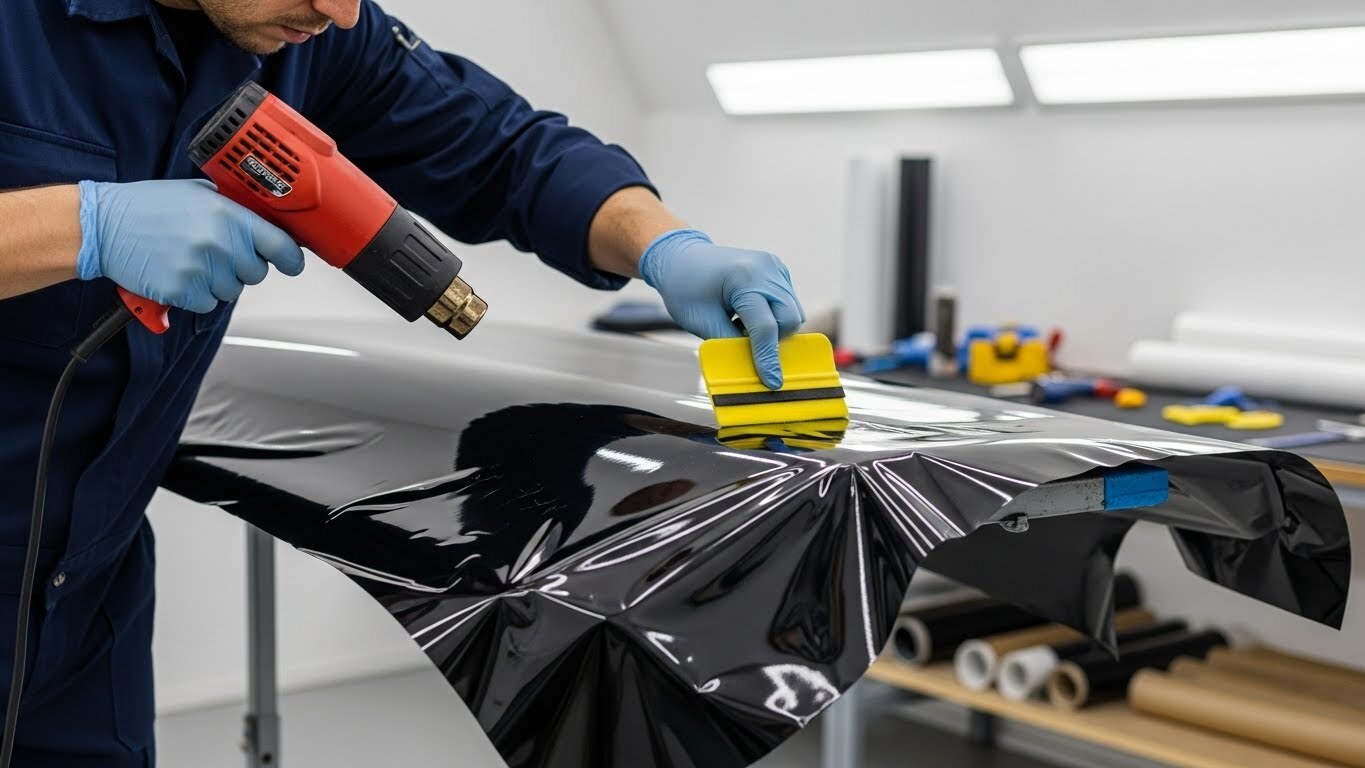
Conclusion: Vinyl Wrap is a Safe Option for Car Customization
For vehicles with healthy paint, vinyl wrap remains a safe choice. It protects original finishes from everyday damage sources. Daily driving exposes paint to constant wear. Vinyl absorbs this damage instead of paint layers. UK road conditions make protection especially valuable. Rain, salt, and grit attack vehicles year-round. Vinyl wrap supports long-term car protection effectively. It preserves resale value by maintaining factory paint. Styling freedom remains another strong benefit. Drivers can change looks without permanent commitment. When removed correctly, wraps leave paint clean and intact.
Vinyl wrapping works with paint rather than against it. The key lies in surface condition and proper handling. Healthy paint ensures successful results every time. This makes vinyl wrapping a smart upgrade choice. Drivers gain style, protection, and flexibility together.
If you consider wrapping your car, evaluate the paint condition first. Understanding expectations avoids unnecessary costs later. Expert guidance always improves final results. Careful planning leads to safer upgrades and better satisfaction.