


Winter damage often starts quietly and becomes visible when repairs cost more money. Cold mornings, wet roads, and salty air slowly attack exposed car paint surfaces. Across the UK, vehicle wrapping continues to grow as drivers seek smarter protection solutions. Automotive aftermarket insights confirm wraps protect paint from weather and environmental damage. Winter conditions in the UK remain harsh, unpredictable, and challenging for vehicle owners.
Many drivers now choose winter car wraps to protect paint during cold seasons. Such a changing trend is indicative of the greater awareness regarding the long term care and resale value of vehicles. Vinyl wrap protection against cold weather and winter exposure is being increasingly trusted by drivers. Protective wraps have come to strike a balance between style, functionality, and seasonal vehicle safety needs.

How Cold Weather Affects Vinyl Car Wraps
The cold weather has a direct impact on the behaviour of the vinyl on vehicle surfaces. Understanding these effects helps drivers avoid damage during the winter months. Knowledge supports better decisions when using cold weather vinyl wrap products.
The Impact of Low Temperatures on Vinyl
Low temperatures reduce vinyl flexibility and increase surface stiffness. Rigid vinyl becomes harder to stretch during cold installation conditions. This stiffness increases the cracking or lifting risks after poor installation work. UK winters bring freezing nights that test vinyl performance repeatedly. High-quality films retain flexibility even during sudden temperature drops. Premium materials handle cold temperature wrap care more effectively. Correct installation remains essential before winter exposure begins.
Snow, Ice, and Road Salt Exposure
The accumulation of the snow traps the moisture around the edges and seams of the vinyl. Ice formation increases stress on wrapped surfaces overnight. Salt on the road is more harmful than exposure to snow or ice. The salt deteriorates adhesive bonds and increases the rates of wear on the surfaces. UK councils apply salt and grit frequently during winter road maintenance. This increases the risk of salt damage to car wrap issues significantly. Protective routines help reduce chemical contact duration.
Common Winter Concerns Car Owners Have
Drivers often worry about peeling edges during freezing temperatures. Others fear fading or moisture entering beneath the vinyl film. Repeated freezing and thawing cycles raise durability questions. Professionally installed wraps withstand winter with correct maintenance. Learning car wrap maintenance tips reduces seasonal damage risks. Preventive care keeps wraps reliable throughout cold months.
Protecting Your Wrap in Winter Conditions
Winter protection depends on preparation, routine cleaning, and careful handling. Small habits prevent major damage during harsh seasonal conditions. Consistent care improves vinyl wrap in winter performance.
Apply a Protective Sealant or Wrap Coating
Protective coatings are used to provide barriers against moisture and road chemicals. Such finishes minimise the accumulation of dirt as well as the penetration of chemicals. Sealants also improve gloss retention during the winter months. UK detailing professionals often recommend winter protection coatings. Adding layers strengthens the overall vinyl wrap protection reliability.
Regular Washing to Remove Road Salt
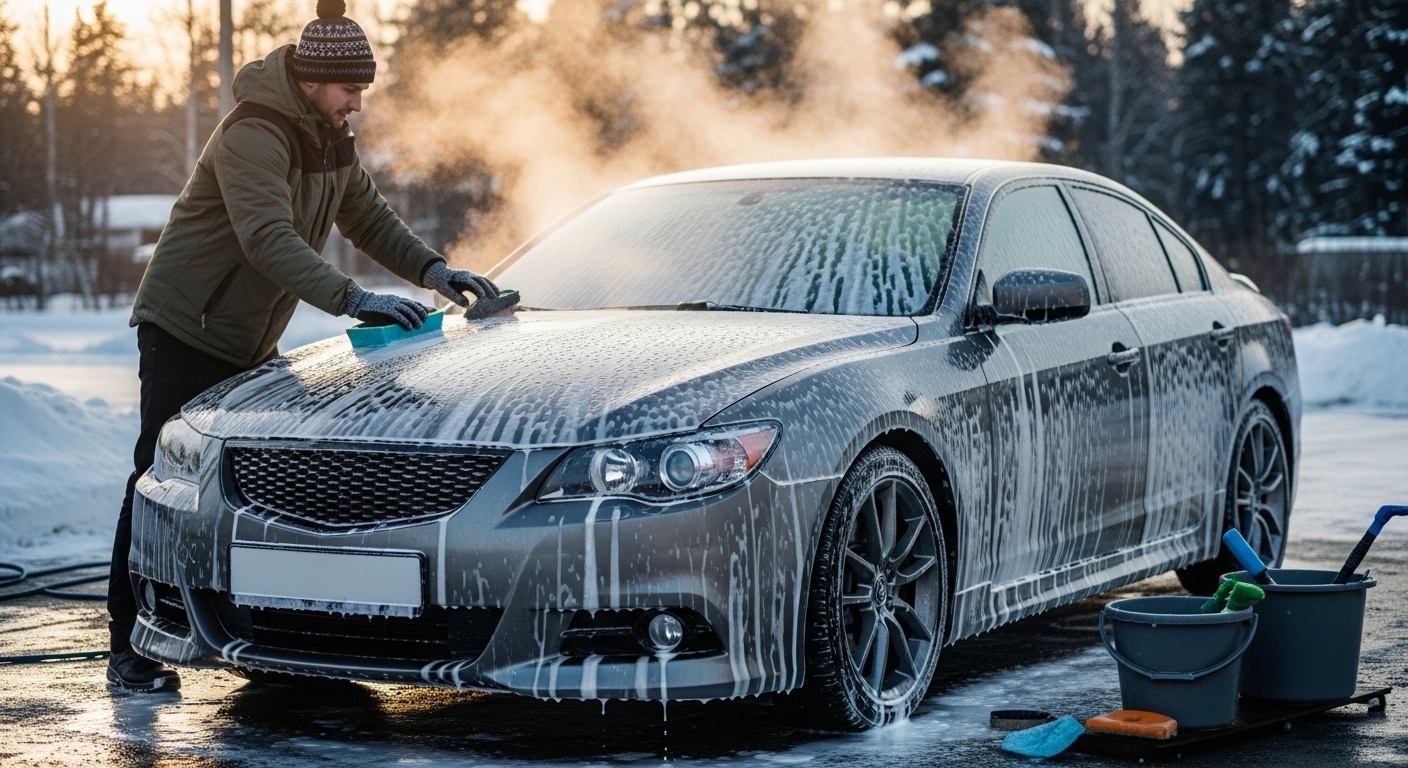
Regular washing removes salt before chemical damage occurs. Experts suggest washing wrapped cars every two weeks during winter. Frequent cleaning limits salt contact time on vinyl surfaces. This habit reduces wear and surface staining. Consistent washing supports strong winter vehicle protection results.
Safe Snow and Ice Removal Methods
Soft brushes safely remove loose snow from wrapped vehicles. Warm water helps melt ice without damaging vinyl surfaces. Metal scrapers should never touch wrapped panels. Harsh tools scratch vinyl and weaken adhesive bonds. Gentle cleaning prevents snow damage on the car wrap.
Parking Strategies to Minimize Damage
The indoor parking minimises the frost exposure on cold nights. Covered parking spaces protect against snow and freezing rain. Do not park under dripping structures that refreeze at night. Simple parking choices can significantly extend the lifespan of vinyl. Good habits support durable winter car wraps performance.
Why Winter Is a Good Time for Vinyl Wrapping
Many drivers delay wrapping without realizing winter advantages exist. Cold seasons offer protective benefits beyond visual upgrades. Winter wrapping supports long-term vinyl wrap protection strategies.
Added Protection Against Salt and Debris
Wrapping before winter shields paint from salt corrosion. Vinyl absorbs minor debris impacts better than exposed paint. This reduces long-term repair and repainting expenses. Many drivers view wrapping as a form of preventive vehicle maintenance. This approach strengthens overall winter vehicle protection planning.
Seasonal Promotions and Lower Demand Periods
Winter months often bring lower wrapping service demand. Reduced demand improves installer availability and scheduling flexibility. Competitive pricing becomes more common during colder seasons. This encourages drivers to consider winter installations. Affordable access boosts interest in cold weather vinyl wrap solutions.
Preparing Your Vehicle Before Harsh Weather Peaks
Early wrapping ensures protection before extreme weather arrives. Preparation reduces stress on paint during severe conditions. Wrapped surfaces resist moisture and salt exposure better. Early planning improves vinyl wrap in winter.
Maintenance Tips for Winter Car Wraps
Winter maintenance preserves wrap appearance and adhesive strength. Consistent care prevents premature wear and lifting. These steps support effective cold temperature wrap care routines.
How Often Should You Wash a Wrapped Car in Winter?
Experts recommend washing wrapped cars every two weeks during heavy salt use. Monthly washing works during mild winter periods. Regular cleaning prevents salt buildup and staining. Consistent schedules maintain visual quality and protection. These habits align with proven car wrap maintenance tips.
Avoiding Pressure Washing Mistakes
Vinyl can be lifted up by high-pressure water near the edges. Always maintain a distance when working with the pressure washers. Please do not spray at seams, corners, and edges directly. Gentle washing preserves adhesive strength. Proper technique extends the vinyl wrap protection lifespan.
Inspecting Edges and Seams Regularly
Routine inspection reveals early signs of lifting. Prompt attention prevents moisture from entering beneath the vinyl. Minor repairs reduce the risk of full wrap failure. Professional checks ensure continued winter performance. Regular inspection supports the reliable durability of winter car wraps.
Long-Term Care After Winter Ends
Spring cleaning eliminates leftover salt and road wear. With the help of professional detailing, the shine and smoothness of the surface are restored. Post-winter inspections identify hidden damage early. Seasonal care prepares wraps for warmer temperatures. Ongoing maintenance preserves vinyl wrap protection year-round.
Conclusion: Keep Your Car Wrapped and Protected All Year Round
Winter presents challenges, but proper care keeps wraps effective. UK wrapping growth reflects increasing awareness of vehicle protection benefits. Correct materials and maintenance ensure reliable performance. Vinyl wraps provide dependable, year-round paint protection solutions.
Understanding winter wrap care helps drivers protect vehicles with confidence. Learning cleaning methods, inspection routines, and protective steps improves durability. Using winter car wraps correctly preserves paint and visual appeal longer. Consistent habits maintain strong vinyl wrap protection throughout cold seasons. Smart winter care ensures reliable winter vehicle protection and lasting value.