


Car lovers across the UK are investing more in creative and protective car services. The demand for vinyl wrap vs ppf options continues to grow every year. Drivers want both beauty and protection for their cars without paying for expensive repainting. According to AutoTrader UK, car personalization services have increased by 20% since 2022. This rise shows that more owners now value smart car care. Many people ask a key question: what is the real difference between paint protection film vs vinyl wrap? Understanding their purpose helps every car owner choose the right solution. Both options are excellent, but they serve different needs for UK drivers.
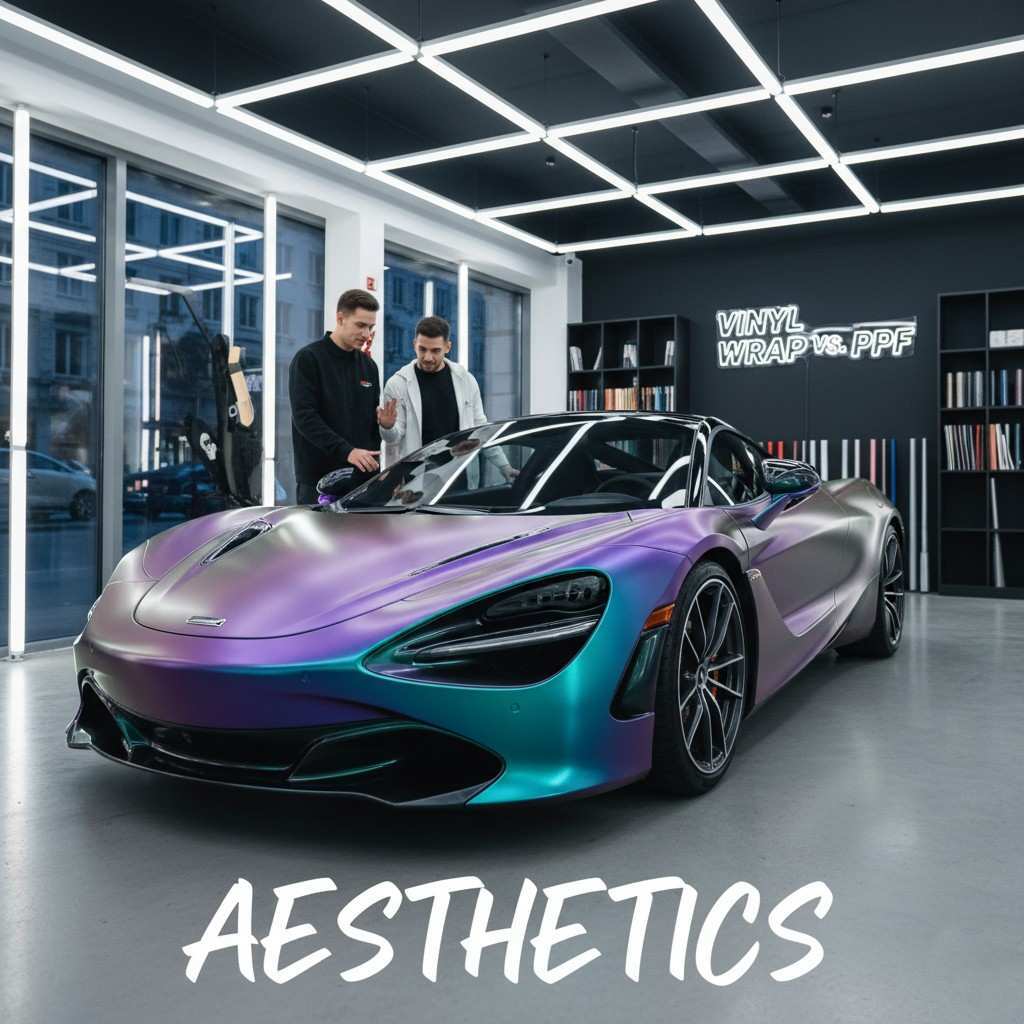
Primary Purpose: Aesthetics vs. Protection
The main difference between the two is their purpose. Vinyl wrap vs ppf is a debate of style against protection. A vinyl coating focuses mainly on looks. It offers endless colours, textures, and finishes for a fresh design. Owners can change shades from matte black to shiny chrome in just days. On the other hand, paint protection film for cars is built to protect. This film guards the paint from stone chips, scratches, and harmful UV rays. Paint protection film vs vinyl wrap shows that wraps win in style, while PPF wins in defence. People who want a bright new style choose vinyl. Drivers worried about long-term damage prefer PPF for safer results.
Material & Thickness: How They Compare
Another key difference lies in the material and thickness. Automotive wraps are thin, around 2–4 mils, which makes them easy to shape. The thin layer helps create smooth finishes and fast applications. Because of this, vinyl is flexible and perfect for frequent changes. In contrast, a ppf wrap is much thicker, measuring 6–10 mils. This extra thickness absorbs impacts from gravel and road debris. It also resists scratches better than an automotive wrapping film. The choice of vinyl protective film gives style flexibility, but PPF offers stronger long-term paint protection. Owners should decide if they want flexible style changes or heavy-duty protection for their vehicles.
Appearance: Coloured PPF vs Vinyl Wrap Options
The look of these two options also differs greatly. Coloured ppf vs vinyl wrap shows how choices have expanded for UK drivers. A vehicle wrap delivers almost endless finishes. Drivers can choose gloss, matte, satin, chrome, or textured effects for a standout look. Patterns and custom graphics are also possible with vinyl. PPF was once only clear, but that has changed. Modern PPF now includes matte and coloured designs for drivers who want subtle style. This is great for people who want both protection and mild customization. Some UK enthusiasts even combine both options. They use a protective car wrap for the body and add PPF to areas most exposed to damage.
Cost Breakdown: Which is the Bigger Investment?
Price is often the deciding factor for many car owners. In the UK, a full vinyl protective film wrap usually costs between £1,500 and £3,000. This price depends on the size of the car and design complexity. A full paint protection film for cars costs between £2,000 and £5,000. The higher cost reflects PPF’s thicker and stronger material. For people focused on budget, auto wrapping is the cheaper choice. However, PPF delivers excellent long-term value by reducing paint repair costs. Comparing paint protection film and automotive wrap shows that PPF is a bigger investment. Yet the savings on future paintwork often make it worth the price for many UK drivers.
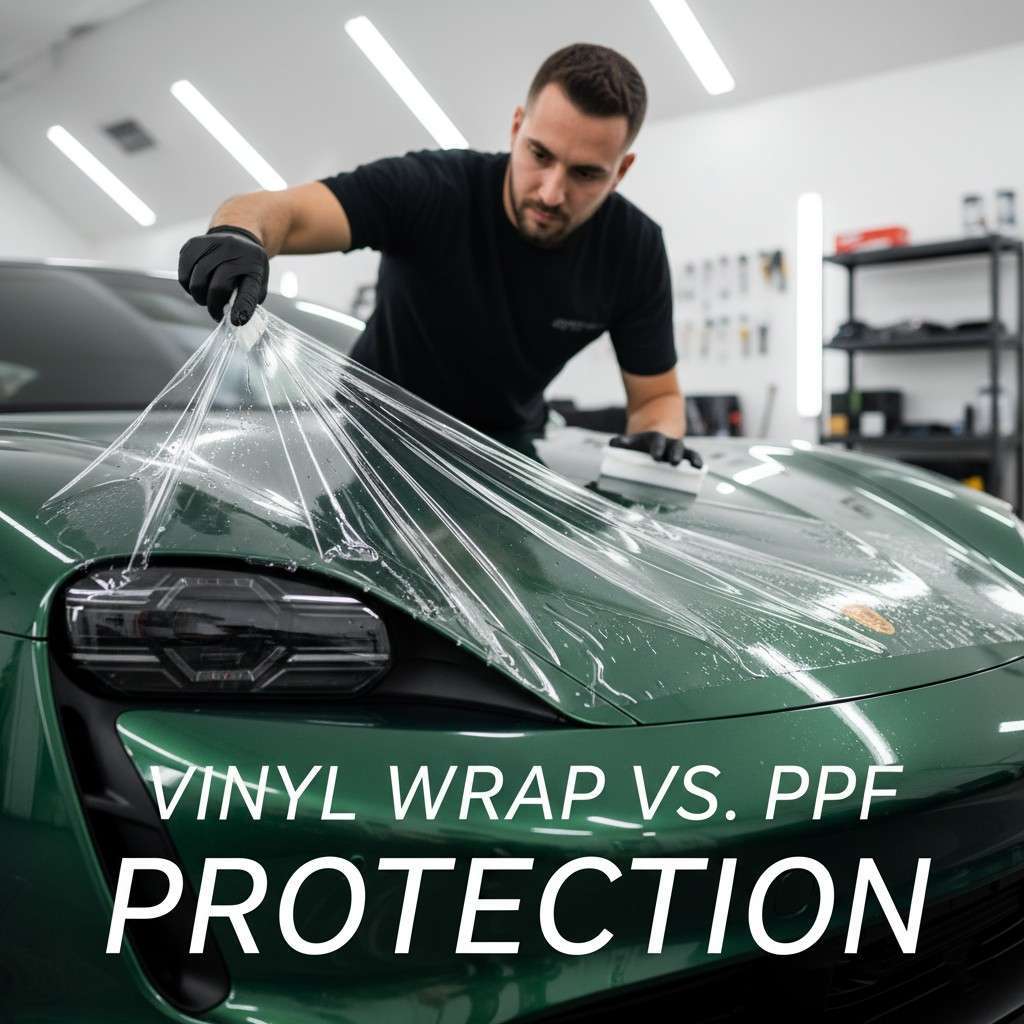
Can You Combine Both for Ultimate Protection?
Many UK car owners now choose to combine the two solutions. This approach gives style, flexibility, and maximum protection at the same time. Drivers first wrap their cars in a chosen colour using a protective car wrap. After that, they add PPF to high-impact areas such as the bonnet, bumpers, and side skirts. This layered method protects the vinyl from chips and scratches while maintaining a custom look. Experts recommend this for people who want the best of both worlds. A combination of vinyl wrap vs ppf allows bold design choices without sacrificing safety. Car owners who love frequent style changes often find this mix ideal for UK conditions.
Conclusion
Both automotive wraps and PPF are excellent options for car care. A vinyl wrap vs ppf decision depends on your personal goals. The exterior wrapping offers a wide variety of colours and textures at a lower cost. They give cars a fresh, modern appearance while protecting against light scratches. PPF, on the other hand, provides the strongest paint protection. The thicker vinyl protective film resists chips, UV rays, and heavy wear for years. Choosing between paint protection film and automotive wrap comes down to what matters more. Pick vinyl for exciting style changes or PPF for maximum long-term protection. Some drivers choose both for a perfect balance.
Thinking about upgrading your car with colour or protection? Explore the full vinyl wrap colour collection for bold designs. Learn more about paint protection film for cars to discover the strongest defence against damage. Visit trusted UK providers today to find the ideal match for your vehicle’s needs.