

2nd Apr 2026
Bonnet Vinyl Wrap: The Complete UK Installer's Guide
That single front panel decides how your entire car looks from a distance. Most people notice the bonnet first before checking wheels or side styling. That makes bonnet vinyl wrap one of the most powerful upgrade options.
Installers also know the bonnet is the hardest single panel to wrap. Mistakes show quickly because the surface sits directly under natural light. This guide explains everything about car bonnet wrap in simple steps.
You will learn film choice, technique, cost, and popular UK styles. It also answers real questions before starting any vinyl bonnet UK project. Everything stays clear, practical, and easy to follow for real work.
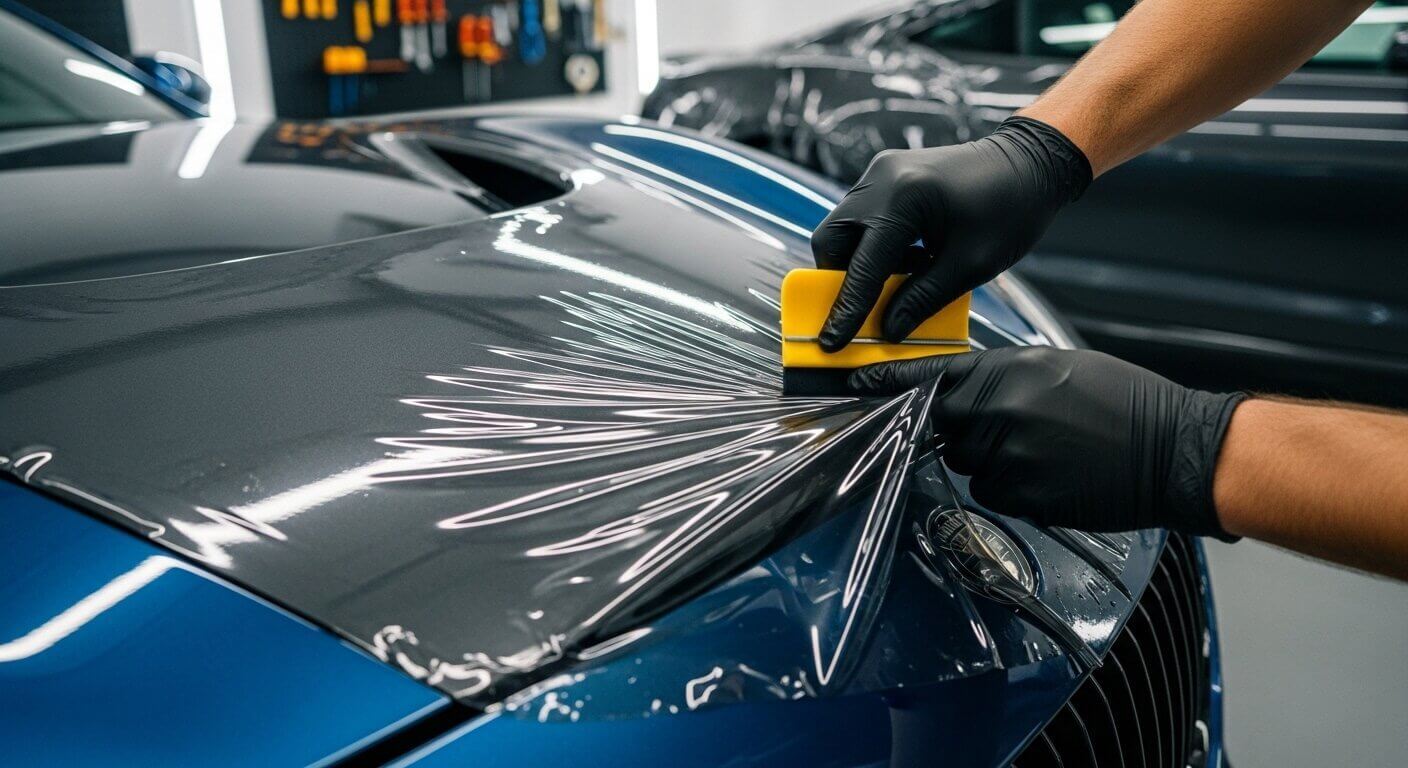
Why the Bonnet is the Most Technically Demanding Panel to Wrap
The bonnet looks simple, but it creates serious wrapping challenges. It combines curves, edges, and large flat areas in one surface. This makes it harder than doors, roofs, or side panels.
Heat control becomes very important during bonnet wrapping work. Too much stretching can damage film memory and cause lifting later. Too little heat creates wrinkles and an uneven finish across surfaces.
This is why installers treat bonnet vinyl wrap as a specialist task. Precision and patience matter more here than on other panels. Even small mistakes remain visible after final installation.
Compound Curves and the Central Ridge
Most bonnets include compound curves that move in multiple directions. These curves require controlled stretching to avoid distortion during application. The central ridge also creates tension across the film surface.
TeckWrap cast vinyl wrap conforms to compound bonnet curves smoothly. Its molecular structure prevents tunnelling or lifting during proper installation. This makes it ideal for complex bonnet shapes on modern vehicles.
Installers must stretch evenly across the ridge for a balanced finish. Uneven tension causes visible lines or shading across the bonnet surface. Good technique ensures smooth flow across the entire panel.
The Leading Edge Challenge
The bonnet leading edge faces direct airflow while driving at speed. This area receives constant pressure and environmental exposure daily. Weak edges can lift if not finished correctly during installation.
Proper edge wrapping ensures strong adhesion and long-term durability. Installers often use extra heat to seal film along this edge. Clean finishing prevents early failure in this high-stress area.
This step defines the durability of any car bonnet wrap project. Strong edges keep the wrap secure even at motorway speeds. Poor edges lead to peeling and costly rework later.
Choosing the Right Vinyl Film for a Bonnet Wrap
Film choice decides both appearance and long-term performance quality. Not all vinyl films handle bonnet heat and curves equally well. Using the wrong film leads to early failure and poor finish.
High temperatures from engine heat also affect film stability. Low-quality films shrink or lift when exposed to repeated heat cycles. This makes correct material selection very important for bonnet wrapping.
Installers always choose cast vinyl for reliable bonnet results. It offers better stretch, durability, and memory compared to cheaper films. That is why professionals trust it for bonnet colour change projects.
Why Cast Vinyl is Essential for Bonnets
Cast vinyl handles heat and complex shapes better than standard films. It stretches smoothly without creating stress marks or surface distortion. This makes it perfect for demanding bonnet installations.
TeckWrap cast vinyl wrap provides strong adhesion and long-term stability. It conforms to curves without lifting or shrinking over time. This ensures a clean finish across the entire bonnet surface.
Cast vinyl film performs best due to its flexibility and durability. It is the safest choice for any professional hood wrap UK job.
Best Finishes for Bonnet Wraps
Finish choice changes the entire look of the vehicle instantly. Some finishes create contrast, while others match factory styling closely. Each option suits different driver preferences and vehicle styles.
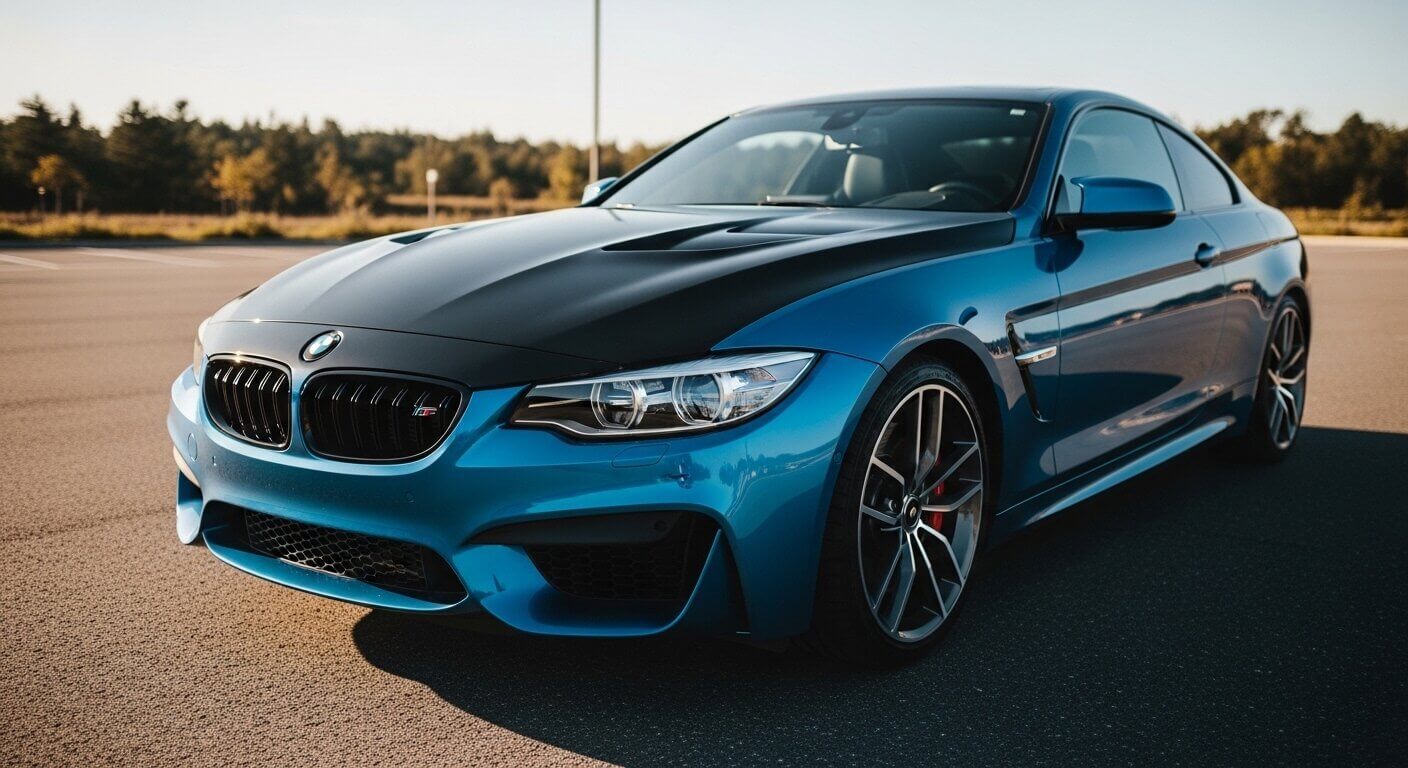
- Matte black remains the most popular bonnet wrap finish
- Carbon fibre adds a sporty and textured performance look
- Gloss black matches factory piano black styling on modern cars
Matte black bonnets are the most requested option in the UK market. Carbon fibre vinyl bonnet wraps rank as the second most popular finish. You can explore options in matte vinyl wrap film and carbon fibre vinyl wrap.
How Much Film Do You Need for a Bonnet Wrap?
A standard passenger car bonnet requires 1.5–2.5 metres of film. This range depends on vehicle size and bonnet shape complexity. Larger SUVs may require slightly more material for full coverage.
Installers always order extra film to avoid a shortage during application. This allows safe trimming and reduces the risk of installation errors. Extra material ensures a clean and stress-free workflow.
Most bonnets need around 1.5–2.5 metres of vinyl film. This amount covers trimming, stretching, and edge finishing properly.
Step-by-Step: How to Wrap a Bonnet
Bonnet wrapping requires a structured process for clean results. Skipping steps leads to bubbles, lifting, or uneven surface finish. Each stage must follow a clear and controlled workflow.
Professional bonnet wraps usually take two to four hours. Experienced installers complete work faster with better precision. Beginners may need more time for careful application.
Professionals complete bonnet wraps within two to four hours. You can follow a detailed vinyl wrap installation guide for better results.
Surface Preparation
Clean surfaces ensure strong adhesion and long-lasting wrap performance. Dust, grease, or wax can cause lifting or bubbling later. Proper cleaning is always the first step before applying film.
Use degreasers to remove oils from the bonnet surface completely. Dry the panel fully before placing any vinyl film on it. This prevents moisture from affecting adhesion strength.
Good preparation reduces failure risk and improves final appearance quality. It also makes installation smoother and more predictable for installers. Never skip this step in any bonnet vinyl wrap project.
Film Positioning and Heat Forming
Correct positioning ensures even coverage across the bonnet surface. Installers place film carefully before applying pressure or heat. This allows adjustment without stretching too early.
Heat helps the film conform to curves and complex shapes easily. Controlled heat prevents overstretching and keeps the film structure intact. Even heating ensures a smooth and consistent finish across the bonnet.
This step defines the overall look of the car bonnet wrap. Proper technique avoids wrinkles and visible stretch marks on surfaces. Balanced heat creates a professional and clean final result.
Trimming and Edge Finishing
Precise trimming ensures clean edges and a neat final appearance. Installers cut excess film carefully without damaging the paint underneath. Sharp tools and steady hands are essential during this stage.
Edges must be wrapped and sealed properly using controlled heat. This locks the film in place and prevents lifting over time. Strong edges improve the durability and long-term performance of the wrap.
This step completes the vinyl bonnet UK installation process. Clean finishing gives a factory-like look to the bonnet surface. Poor trimming leads to visible flaws and reduced lifespan.
Most Popular Bonnet Wrap Colours in the UK
Colour choice plays a big role in overall vehicle styling impact. Some colours create contrast, while others enhance factory design. Drivers often choose colours based on style and purpose.
Matte black remains the most popular bonnet wrap colour in the UK. It creates a strong contrast and reduces glare during driving. This makes it both stylish and functional for many drivers.
You can also explore black vinyl wrap colours for more options. Carbon fibre remains the second most popular bonnet finish choice. Both options work well for bold and sporty vehicle styling.
Bonnet Wrap Cost UK: What to Charge and What to Budget
The bonnet wrap cost depends on the material and labour combined. Most professional installers charge based on time and film quality. Simple wraps cost less than complex or textured designs.
Typical bonnet wrap jobs cost between £100 and £300 in the UK. This range depends on the finish type and the installation complexity level. Premium films and detailed work increase overall project pricing.
You can also wrap a bonnet yourself, but skill and tools affect the final result quality. Professionals deliver cleaner results with better durability and finish.
[Shop Premium Bonnet Vinyl Wrap Options Now]
FAQs
How much vinyl wrap film do you need for a car bonnet?
Most bonnets require around 1.5–2.5 metres of vinyl wrap film.
What is the best vinyl wrap for a bonnet?
Cast vinyl performs best due to its flexibility and heat resistance.
How long does it take to wrap a car bonnet?
Professional installers usually complete the job within two to four hours.
What is the most popular bonnet wrap colour in the UK?
Matte black remains the most requested bonnet wrap colour.
Can you wrap a bonnet yourself?
Yes, but experience improves finish quality and long-term durability.