
8th Oct 2025
Can You Wrap a Dented Car?
Car lovers in the UK often want new looks without repainting their vehicles. Vinyl wrapping has become one of the most popular choices to refresh cars. This process covers the car’s paint with a special film for style and protection. It is quicker and often cheaper than traditional painting methods, making it attractive. According to the Society of Motor Manufacturers and Traders, more than 500,000 cars receive aftermarket modifications each year. Many of these include car wrapping to achieve stylish finishes or unique branding.
However, many drivers ask the same important question: can you wrap a dented car? Dents and scratches on panels make wrapping difficult and affect the final appearance. Wrapping over imperfections can lead to poor results that disappoint car owners. To understand this issue, we need to see how wraps behave on damaged surfaces.
The Problem: Imperfections Under the Vinyl
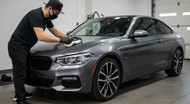
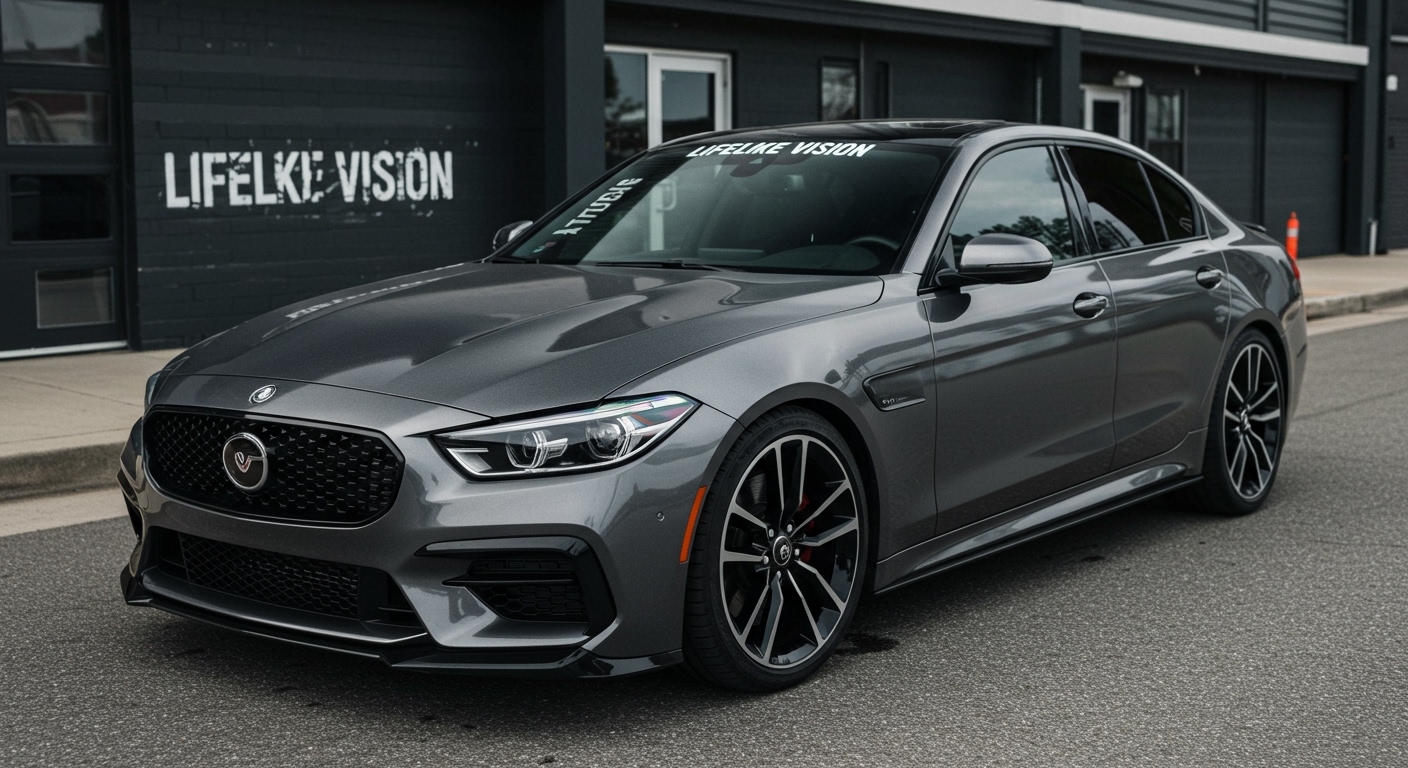
A vinyl wrap is thin and flexible, designed to stick tightly onto panels. It follows every line, edge, and contour of the car body beneath it. This means dents, scratches, and chips underneath will remain visible even after installation. The wrap does not create a new smooth surface over damaged areas. Instead, it highlights flaws by clinging closely to them.
When wrapping a car in vinyl, imperfections like dings become even more noticeable under light. Gloss and metallic films reflect unevenly, creating shadows that draw attention. This is why dents often appear worse after applying vehicle wrapping film. For anyone seeking a flawless finish, surface damage creates clear challenges.
The Solution: Why Paintless Dent Repair is Step One
Before installing a car body wrap, technicians recommend repairing dents through simple methods. One common method is paintless dent repair, which smooths panels without repainting them. This process gently reshapes metal from behind, restoring panels to their original condition.
The advantage of this approach is keeping costs lower and results more professional. UK repair shops charge around £50–£100 per panel for small dents. Compared to the total cost of wrapping, this is a small but valuable investment. By repairing dents, the drivers make the vinyl wrapping look sophisticated and last longer. Wraps can be stuck to smooth surfaces easier as there is less risk of tissue peeling or air bubbles.
Why a Vinyl Wrap Will Magnify Dents and Dings
A vinyl wrap does not hide scratches and dents, it highlights them. Wraps will lie down in each contour rather than creating a smooth, polished surface. Over dents, this leads to air gaps, small folds, or shadows that stand out. Glossy wraps especially exaggerate these flaws because of uneven light reflections.
Even matte or satin car wrapping styles fail to hide serious imperfections. The vinyl stretches over the damaged panel, revealing the underlying texture. Rather than hiding problems, the film draws more attention to them. This is why installers warn drivers against wrapping damaged panels without repair. The results never meet the high expectations of a smooth, seamless surface.
The Right Process: Repair First, Wrap Second
Professional installers always stress the same rule: repair first, wrap second. A smooth car body allows the vehicle wrapping film to bond securely. Without proper repair, the wrap may peel or lift earlier than expected.
The process usually follows clear steps:
- Inspect panels for dents, scratches, or chips before wrapping
- Use paintless dent repair or bodywork smoothing for damaged areas
- Clean surfaces thoroughly to remove dust, oils, or wax
- Apply the wrap carefully using trained techniques for perfect alignment
Through this procedure, drivers would gain better and more long-term outcomes of car wrapping. Professional preparation allows the vinyl to be smooth to touch and withstands daily wear.
Getting a Flawless Finish on Your Car Body Wrap
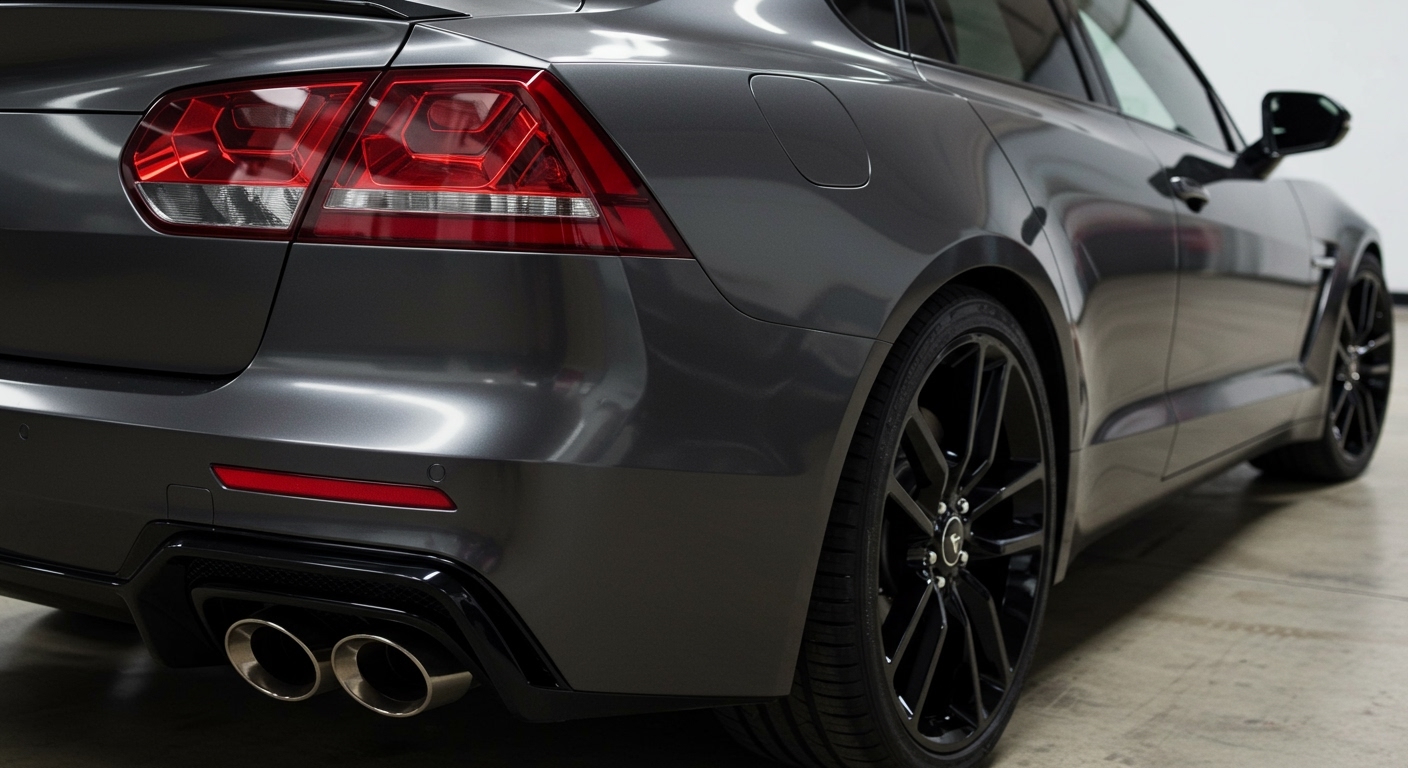
A flawless car body wrap requires three main elements: preparation, technique, and materials. Surface preparation includes dent repair and cleaning, ensuring no hidden imperfections. Skilled installation techniques help stretch and align the wrap without bubbles or creases. Finally, high-quality vehicle wrapping film ensures colour accuracy, durability, and resistance to fading.
The UK wrap industry is valued at over £250 million annually. With such growth, customer expectations for flawless finishes are higher than ever. Car owners want professional results that last for years, not temporary fixes. This demand has pushed shops to follow strict installation practices and training guides. Using reliable brands like TeckWrap helps installers meet these high standards consistently. With proper preparation, wrapping a car in vinyl becomes a long-lasting investment in style and protection.
Conclusion
So, can you wrap a dented car? The technical answer is yes, but the results disappoint. Dents and dings remain visible because the vinyl clings tightly to every shape. Instead of hiding flaws, the wrap highlights them, creating poor finishes.
To achieve the best outcome, repairing dents before wrapping is essential. This ensures smooth panels, better adhesion, and longer durability. Professional preparation guarantees that vinyl wrapping looks sleek, stylish, and worth the investment. Drivers who repair first and wrap second enjoy the true benefits of customization.
Make your car look flawless with a professional wrap today. Explore high-quality car wraps and learn more through TeckWrap’s expert installation guides. Choose premium vehicle wrapping film and achieve the stylish finish your car deserves. Contact TeckWrap UK to get started with your perfect wrap solution now.