
12th Aug 2026
How Long Does A Car Wrap Last?
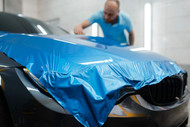
A TeckWrap vinyl wrap lasts up to 5 years under real UK conditions. Warranty terms differ by surface though, not one single blanket figure. Vertical surfaces carry a 3-year Zone 1 warranty specifically. Horizontal surfaces like the bonnet and roof carry 2 years instead. Several other factors also shape how long your specific wrap survives. This guide breaks down exactly what determines your wrap's real lifespan.
How Long Does a Car Wrap Actually Last?
TeckWrap's own technical datasheet gives the clearest, most reliable answer currently available.
|
Exposure Type |
Zone 1 (UK) Warranty |
|
Vertical surfaces (sides, most body panels, within ±10° of vertical) |
3 years |
|
Horizontal surfaces (bonnet, roof, 10°–90° from vertical) |
2 years |
General expected performance life reaches up to 5 years overall for most panels. This depends on exposure angle, climate, surface prep, and maintenance. You may see broader ranges like five to seven years mentioned elsewhere online. TeckWrap's own datasheet gives this more precise, verifiable figure instead.
Does Durability Differ by Surface?
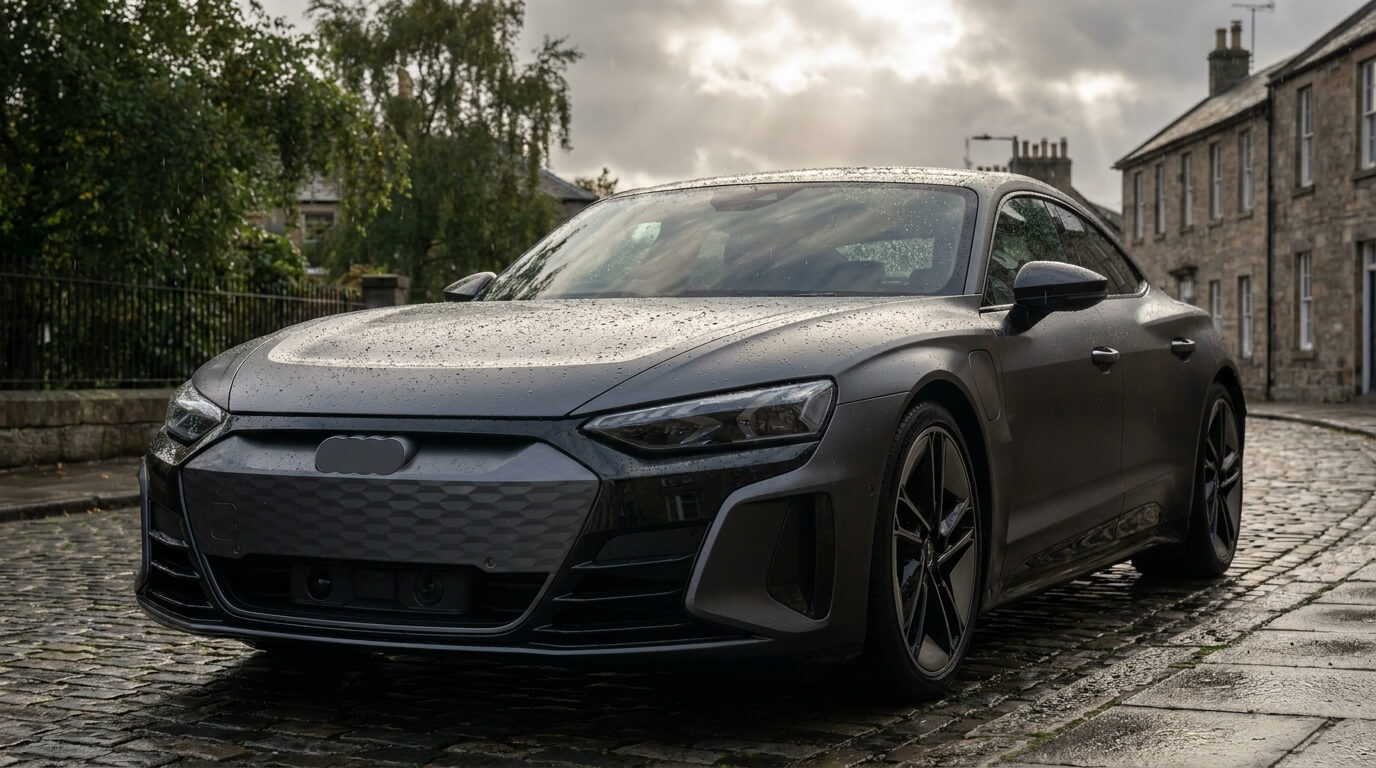
Yes, and this is genuinely useful information most guides skip entirely. Vertical panels like doors and sides face the sun indirectly most days. Horizontal surfaces like your bonnet and roof face the sun directly. Direct UV exposure breaks down film and adhesive noticeably faster over time. Rain and standing water also collect more on horizontal panels specifically.
This is exactly why TeckWrap rates horizontal surfaces at 2 years, not 3. Knowing this helps you plan maintenance around your car's most exposed panels. A roof or bonnet benefits from more frequent checks and protective care. Side panels and doors can generally go longer between close inspections.
What Affects How Long Your Wrap Lasts
Five real factors determine how long your specific wrap actually lasts.
- Exposure angle: Horizontal surfaces face more direct sun and rain than vertical ones
- Climate zone: UK weather patterns affect film differently than hotter, drier regions
- Surface preparation: A clean, properly prepped panel bonds better and lasts longer
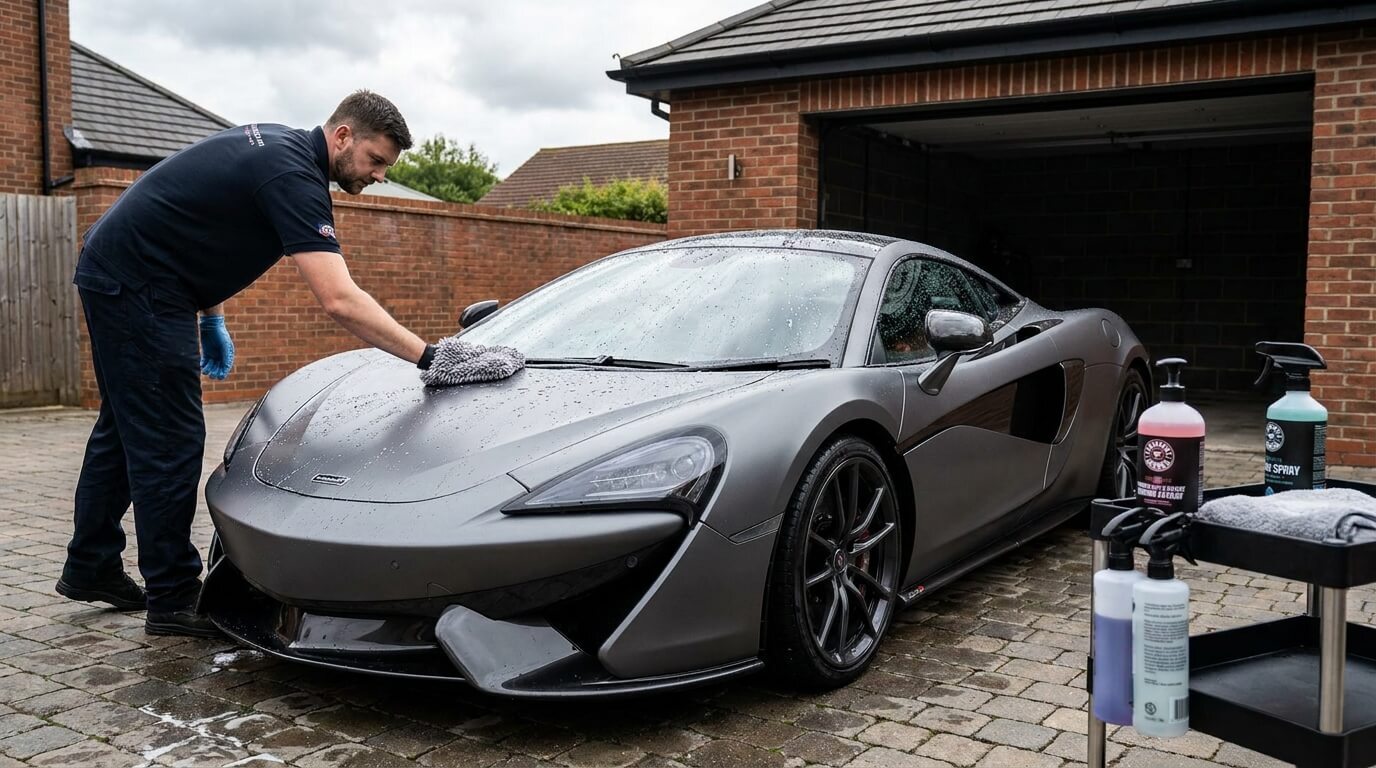
- Cleaning and maintenance routine: Gentle, regular care extends film life noticeably
- Pollution exposure: Heavy traffic areas expose film to more contaminants over time
Self-healing also plays a role for most finishes on your wrap. All finishes except matte and chrome self-heal minor scratches with gentle heat. This heat needs to sit between 20 and 30°C to work properly. This single feature quietly extends the practical life of most wrap finishes. Paint protection film shares this same self-healing trait too, covered fully in TeckWrap's PPF durability comparison guide.
Fact vs Fiction: Common Durability Myths
Car wrap durability comes with plenty of online confusion and myths. Real TeckWrap data separates genuine facts from common misconceptions here. Each myth below causes real confusion for many first-time car owners.
Myth: A wrap peels off within a few months of installation.
This almost always comes from poor-quality film or rushed installation work. Properly prepped surfaces and correct edge sealing prevent this entirely. TeckWrap film is engineered to last years, not months, when installed correctly.
Myth: Every part of your wrap lasts exactly the same length of time.
This is not accurate, based on TeckWrap's own Zone 1 warranty data. Vertical panels carry a 3-year warranty. Horizontal panels carry 2 years instead. Exposure angle alone changes how long each panel realistically performs.
Myth: All wrap finishes heal small scratches automatically with heat.
Most finishes do self-heal minor scratches using gentle warmth around 20 to 30°C. Matte and chrome finishes are the confirmed exception to this rule though. These two finishes need more careful, deliberate handling during daily use.
Myth: Any installer can achieve the same durability results.
Installer skill genuinely affects how long a wrap lasts in practice. Trapped air, dust particles, and uneven tension all shorten real-world lifespan. Correct surface prep and edge sealing come down to installer experience. Choosing a trained professional protects your warranty and your wrap's long-term appearance.
Curious how wrap durability stacks up against factory paint? TeckWrap's wrap vs paint durability guide covers that comparison directly. For film-type differences affecting lifespan, TeckWrap's calendered vinyl guide explains the material side too.
FAQs
How long does a car wrap actually last?
TeckWrap's own Zone 1 UK data confirms up to 5 years general performance life. Vertical surfaces carry a 3-year warranty specifically under this same data. Horizontal surfaces like your bonnet or roof carry 2 years instead. Real-world lifespan depends heavily on exposure angle, climate, and maintenance routine. Following proper aftercare helps your wrap reach the top of that range.
Does a wrap last as long on a bonnet as on the sides of a car?
No, and this is one of the most useful distinctions car owners miss. Vertical panels like doors and sides carry a 3-year Zone 1 warranty. Horizontal surfaces like your bonnet and roof carry only 2 years instead. Direct sun and standing rainwater both accelerate wear on horizontal panels specifically. Extra care on these exposed panels helps close that gap over time.
What's the single biggest factor affecting how long my wrap lasts?
Exposure angle is the single biggest factor, according to TeckWrap's own durability data. Horizontal surfaces facing the sky directly wear faster than vertical body panels do. Climate zone, surface preparation, and maintenance routine all matter too though. Together, these factors explain most of the real-world variation you will see. Good installation and regular care still make a measurable difference either way.
Do all finishes last equally long, or do some need more care?
No, self-healing applies to most finishes but not every single one. All finishes except matte and chrome self-heal minor scratches with gentle heat. This heat needs to fall between 20 and 30°C to work properly. Matte and chrome finishes need more careful, deliberate handling during everyday use. Checking your specific finish type helps you set the right care expectations.