

29th Jun 2026
Is Paint Protection Film Worth It In UK? Cost vs Benefit Analysis
A small stone chip can cost hundreds of pounds later. Many car owners ask “Is paint protection film worth it today?” Yes, for many UK drivers it does. Paint repairs now cost far more than before. Quality PPF UK installations prevent expensive paint damage. Modern PPF UK 2026 solutions offer stronger protection and durability.
The Straight Answer: Yes, PPF Is Worth It (Here's Why)
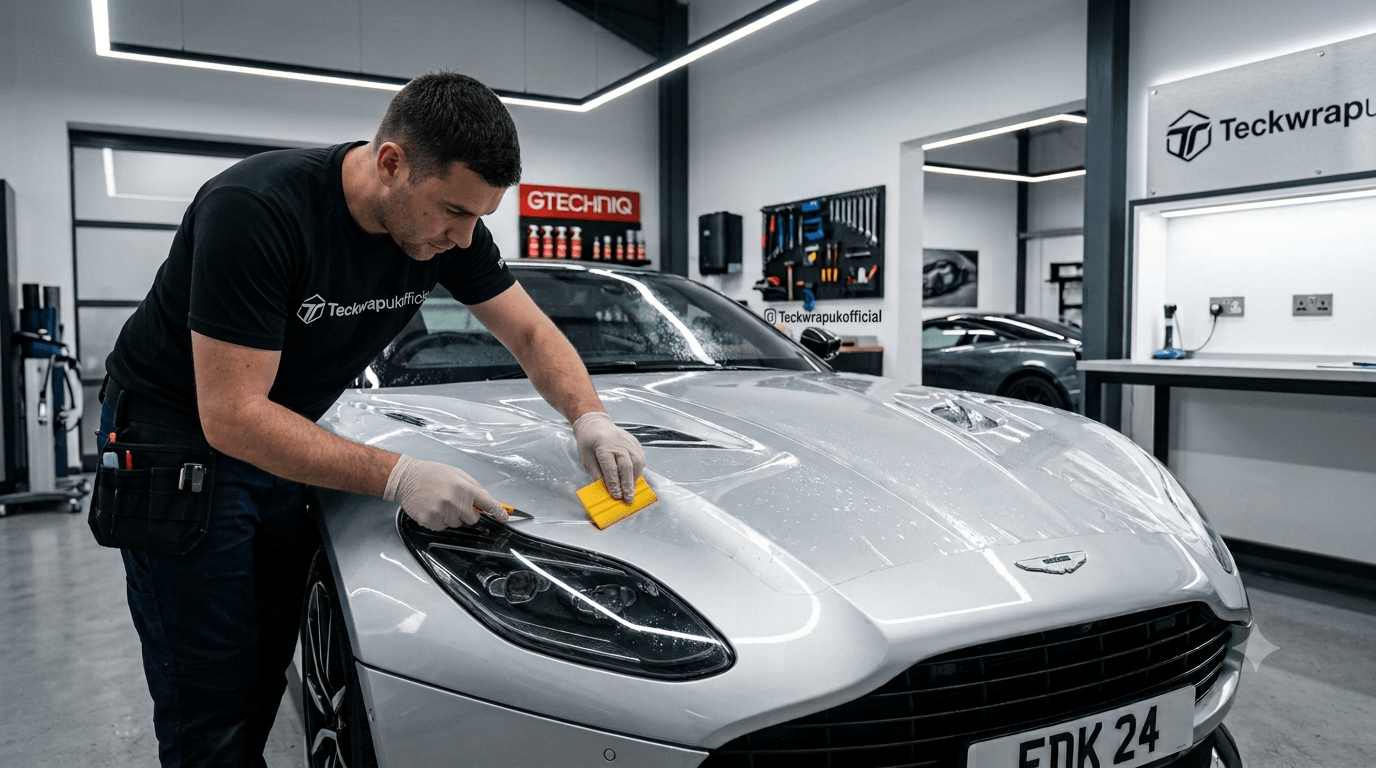
If you drive regularly, paint damage will eventually happen. Motorways, loose stones, and debris cause frequent paint chips. Paint protection film creates a strong sacrificial protection layer. The film absorbs impacts before factory paint becomes damaged. This protection helps owners avoid costly paint repairs later.
Many owners compare protection costs against future repair expenses. The comparison usually favors professional film installation services. Original paint remains protected from common road hazards daily. Factory paint often supports stronger resale value later. This makes protection a practical financial decision today.
Drivers also appreciate reduced stress during daily journeys everywhere. Small stones no longer create constant concerns while driving. Premium films include self-healing properties for light scratches. Vehicle appearance stays cleaner and newer for many years. This benefit increases owner satisfaction throughout vehicle ownership.
The Real Cost of Unprotected Paint
Paint damage seems minor initially but becomes expensive quickly. Even small defects reduce overall vehicle appearance significantly. Buyers often notice paint imperfections before mechanical issues. Damaged paint also lowers confidence during resale negotiations later.
Repair costs continue increasing across the United Kingdom today. Skilled labor, paint materials, and preparation require investment. Many repairs also need color matching expertise afterward. This raises overall costs beyond owner expectations frequently.
Ignoring paint damage rarely saves money long term. Chips can expand and expose underlying surfaces later. Additional deterioration often increases future repair requirements significantly. Prevention usually costs less than repeated paint corrections.
Cost of a Single Paint Chip Repair: £200-£500
A professional chip repair generally costs between £200-£500 today. The final price depends on location and severity. Premium vehicles often require higher repair budgets overall. Specialized paint systems increase repair complexity and costs.
Many owners underestimate the expense of isolated repairs. Paint technicians must prepare surfaces before refinishing work. Careful blending ensures repaired areas match surrounding paint. This process requires skill and professional equipment.
Several chip repairs during ownership quickly increase expenses considerably. Repeated visits also create inconvenience for busy owners. Protective film reduces the likelihood of recurring repairs. This helps control long-term vehicle maintenance costs.
Cost of Repainting a Panel: £400-£800
Repainting a damaged panel usually costs £400-£800 today. Costs vary according to vehicle type and paint. Premium finishes generally require more labor and materials. Larger panels often increase total repair expenses further.
Professional repainting involves preparation beyond simple paint application. Technicians remove defects before applying new coatings carefully. Matching factory paint requires experience and specialized techniques. Quality workmanship remains essential for strong visual results.
Multiple panel repairs can become extremely expensive very quickly. Owners often spend more than expected after damage. Film protection helps avoid many repainting situations altogether. Prevention remains cheaper than repeated corrective paintwork.
PPF ROI: How It Pays for Itself
Many buyers focus only on installation cost initially. They often overlook future savings from prevented damage. Return on investment develops throughout vehicle ownership gradually. Protection reduces repair frequency and associated expenses significantly.
Financial benefits become clearer over several ownership years. Paint remains cleaner and better preserved throughout use. Vehicles maintain stronger appearance during inspections and resale. This creates measurable value beyond simple aesthetics.
Protection also delivers confidence during everyday driving conditions. Owners worry less about stones and road debris. Reduced stress becomes another valuable ownership advantage. Many drivers consider this benefit worthwhile alone.
Scenario 1: You Prevent Just ONE Major Chip Repair
Suppose one major paint repair costs several hundred pounds. A protected panel may avoid that expense completely. Prevention immediately offsets part of installation investment costs. Savings accumulate whenever additional damage gets avoided later.
Many motorway drivers experience stone impacts regularly each year. Protection absorbs impacts before paint damage develops underneath. Fewer repairs mean lower ownership expenses over time. This improves overall value from the protection system.
The financial equation becomes simple for frequent drivers. Preventing expensive repairs supports long-term budget management goals. Owners retain better vehicle conditions throughout ownership periods. This strengthens the value argument considerably.
Scenario 2: PPF Protects Resale Value (5-15% Premium)
Well-maintained vehicles often achieve stronger resale prices later. Buyers prefer vehicles showing fewer cosmetic imperfections overall. Protected paint helps preserve factory appearance for years. This creates positive impressions during buyer inspections.
Many dealers value original paint conditions very highly. Damage-free surfaces suggest careful ownership and maintenance habits. Better presentation supports stronger negotiation positions during sales. Owners may recover substantial value through higher offers.
Compared with PPF vs paint respray, preservation often wins financially. Original paint usually attracts more buyer confidence later. Repainted areas sometimes create additional buyer questions. Protection helps maintain factory finish authenticity.
Who Should DEFINITELY Get PPF?
Certain drivers gain exceptional value from paint protection film. Their driving habits increase exposure to paint damage. Protection delivers stronger financial benefits in these situations. The investment often becomes easier to justify.
Vehicle value also influences protection decisions significantly today. Expensive vehicles generally have higher repair costs overall. Preserving premium finishes often supports stronger resale outcomes. Owners therefore receive greater long-term benefits. The following groups usually benefit most from installation:
- Luxury car owners with vehicles valued above £50,000.
- New car buyers protecting factory paint immediately.
- Road trip drivers facing constant motorway stone exposure.
- Detail-conscious owners wanting flawless paint appearance.
Who Might SKIP PPF?
Not every vehicle owner needs immediate film installation. Some situations provide lower financial returns from protection. Driving habits greatly influence overall risk levels today. Lower exposure reduces the urgency for protection.
Budget considerations also affect decision-making for many owners. Less expensive vehicles often cost less to repair. Repair expenses may not justify comprehensive film coverage. Owners should compare costs carefully beforehand. These drivers may choose alternative approaches instead:
- City-only drivers facing lower-speed road conditions daily.
- Budget car owners with relatively affordable repairs.
- Drivers planning vehicle sale within two years.
Long-term Value: 5-7 Year Outlook
A five to seven-year ownership period changes calculations significantly. Protection benefits accumulate steadily across several driving years. Paint remains closer to original factory condition throughout. Owners avoid many common cosmetic repair expenses.
Long-term ownership increases opportunities for road damage exposure. More miles create greater chances of paint defects. Protection works continuously without requiring daily attention. This consistency supports lasting vehicle appearance benefits.
Vehicles often look newer after several protected ownership years. Buyers recognize preserved paint during inspections immediately. Better appearance can influence final purchase offers positively. Long-term value therefore extends beyond repair savings.
Should You Get PPF?
|
Vehicle Value |
Driving Habits |
Resale Plans |
PPF Recommendation |
|
Under £20,000 |
Mostly city driving |
Selling within 2 years |
Usually optional |
|
Under £20,000 |
Frequent motorway driving |
Keeping 5+ years |
Recommended |
|
£20,000–£50,000 |
Mixed driving conditions |
Keeping 3–5 years |
Strongly recommended |
|
£20,000–£50,000 |
Frequent road trips |
Keeping 5+ years |
Highly recommended |
|
Above £50,000 |
Any regular driving |
Any resale plan |
Definitely recommended |
|
Above £50,000 |
Motorway and long-distance driving |
Keeping long term |
Essential investment |
Protect your vehicle before repair costs start increasing unexpectedly. Request a professional PPF UK consultation and compare options today. Quality PPF UK 2026 solutions deliver lasting value and protection.
FAQ: Is PPF Worth It?
Q: Does PPF add to resale value?
Yes. A survey of 92% of UK auto dealers shows PPF-protected cars sell for 5-15% more due to preserved original paint. When selling, mention PPF coverage because it increases buyer confidence significantly. Protected paint often creates stronger first impressions during inspections. Better presentation supports improved resale opportunities and negotiations.
Q: What if I never get a chip?
Even chip-free vehicles receive important benefits from protection. Preserved paint supports stronger resale value over time. Vehicles maintain showroom appearance throughout ownership much longer. Daily driving confidence becomes another valuable ownership advantage.
Q: My PPF is starting to lift at the edges, what should I do?
Edge lifting during warranty periods indicates installation issues usually. Contact your installer immediately for inspection and support. Reputable installers often repair affected areas under warranty. Prompt action prevents further lifting and contamination problems.
Outside warranty periods, moisture or cleaning products commonly contribute. Minor lifting can often be professionally re-adhered successfully. Significant lifting may require replacement of affected sections. Professional assessment helps determine the best corrective solution.
Q: Is PPF worth it on a brand new car?
Yes, new vehicles benefit greatly from immediate protection installation. Fresh factory paint remains preserved from the beginning. Damage prevention starts before the first stone impact. Many owners consider early installation the smartest approach.
Q: Will PPF damage my paint when it's removed?
Quality film installed correctly should not damage factory paint. Professional removal techniques protect underlying paint surfaces effectively. Modern films use adhesives designed for safe removal. Choosing experienced installers like TeckWrap UK remains extremely important here.