
-
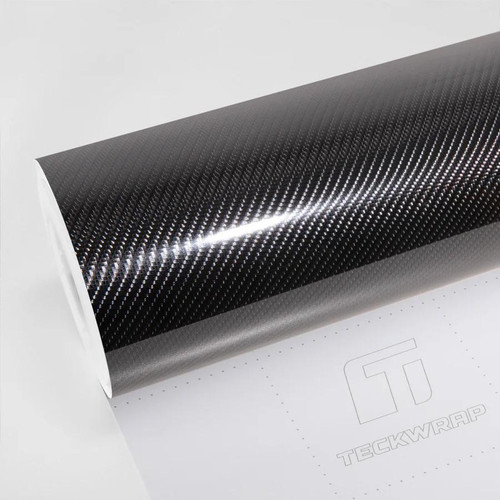
TeckWrap Sable Carbon Gloss PPF | Black Carbon Fiber Paint Protection Film (CPX601)
Out of Stock
From £220.00 -

-
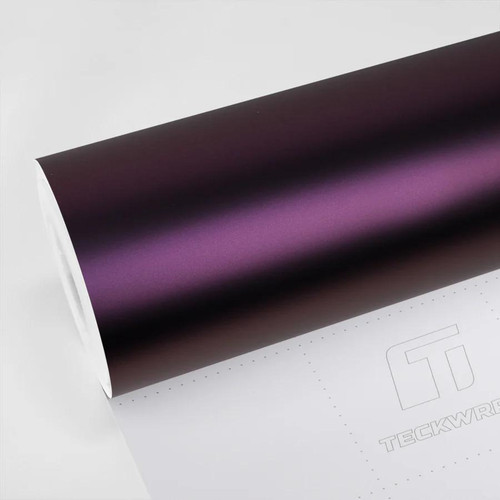
TeckWrap Graphite Rose Matte PPF | Satin Violet-Grey Paint Protection Film (CPX420M)
In Stock
From £206.00 -

TeckWrap Nordic Green Metallic PPF | Deep Gloss Paint Protection Film (CPX411)
Out of Stock
From £206.00 -
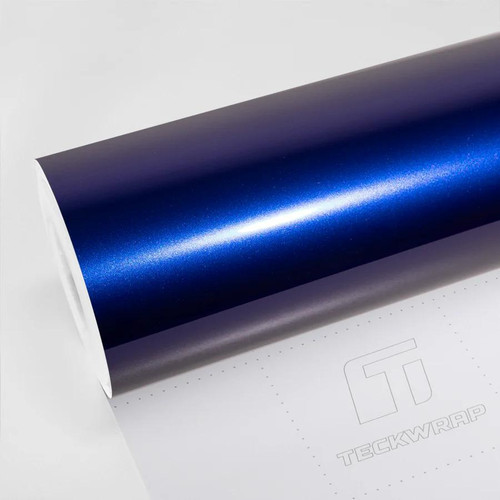
TeckWrap Sapphire Blue Gloss Color PPF | Deep Jewel-Tone Paint Protection Film (CPX501)
In Stock
From £244.00
Paint protection film (PPF) protects your car's paint from stone chips, scratches, and UV damage for 5–7 years. Instead of paying £200–£500 per damage repair, TeckWrap PPF prevents paint damage before it occurs. With USA-sourced TPU and a dry-install system, you get superior optical clarity that lasts the entire warranty period.
What is a Paint Protection Film?
It is a clear, self-healing polyurethane film that bonds directly over your factory paint. It takes every chip, scratch, and UV ray so your original paint never has to. Paint protection film does not change how your car looks, it makes the surface that gets hit a replaceable film, not irreplaceable paint.
The film is built from aliphatic thermoplastic polyurethane, known in the industry as TPU. According to TeckWrap, the PPF film uses ESTANE® TPU by The Lubrizol Corporation, put through weathering tests equal to nine full years with zero quality or appearance loss.
PPF Key Benefits: Chip Protection, Self-Healing & UV Resistance
- Shields paint from stone chips, scratches, and road debris every day
- Self-healing topcoat removes minor surface scratches with gentle heat
- Blocks UV rays with up to 99% UV resistance across premium grades
- Keeps original paint factory-fresh for 5 to 7 years reliably
- Removes cleanly without leaving any adhesive residue on paint
- Protects all vehicle types, from daily drivers to luxury cars
Automotive forum users with TeckWrap installations report that professional clear PPF maintains optical clarity after 5+ years with only basic monthly maintenance, significantly outperforming budget-grade alternatives.
Is PPF Worth It? When You Should Get Paint Protection Film
Not every car owner has the same need for car paint protection. The right decision depends on how you use your vehicle and what it costs you to maintain it. Use this simple framework to decide.
You should get PPF if your car is:
- Brand new: New paint is easiest to protect and hardest to match after damage. Fitting paint protection film on a new car preserves its factory finish from the very first mile.
- High-value or a luxury vehicle: A respray on a luxury car or exotic finish costs significantly more than standard vehicles. The protection cost is a fraction of any single repair bill.
- A daily driver on UK roads: Motorway commutes, gravel roads, and multi-storey car parks create constant chip and scratch exposure. High-mileage drivers benefit most from PPF.
- Recently resprayed: A fresh respray is an investment. Paint protection film locks in that investment immediately and prevents the cycle from repeating.
- Due for resale: A car with protected, unmarked paint commands a noticeably higher resale value on the UK used car market.
Why Choose TeckWrap Paint Protection Film?
TeckWrap PPF prevents damage at the source, but not all films do it equally well. Here is what separates TeckWrap from generic ppf film brands sold online.
Benefit 1: USA-Sourced TPU
TeckWrap sources its TPU raw material directly from the United States. This gives the film a level of optical clarity that cheaper alternatives simply cannot match. The aliphatic polyurethane formula resists yellowing caused by prolonged UV exposure. Most entry-level films turn hazy or amber after two years in sunlight. TeckWrap's USA-sourced material maintains full clarity throughout the entire warranty period.
Benefit 2: Dry-Install System
Traditional PPF installation uses wet soap solutions that significantly extend drying time. TeckWrap's dry-install system uses built-in air-release channels inside the adhesive layer. These channels let trapped air escape during application without lifting the film. Installers work faster and with far less risk of contamination bubbles. For customers, it means a cleaner finish and a shorter turnaround time overall.
Benefit 3: 5-Year Warranty
TeckWrap backs every roll of ppf with a manufacturer warranty covering the full durability period. The adhesive uses a pressure-sensitive polymer with acrylate technology that self-cures at room temperature within one week. This structural bond resists plasticizer migration, a common failure point found in lower-grade films.
Show More Show Less
PPF vs Ceramic Coating vs Vinyl Wrap: Which Is Best?
Choosing the wrong product costs money and leaves your paint underprotected. Here is how paint protection film compares directly against the two most common alternatives, based on TeckWrap's own product data and widely reported industry benchmarks.
| Feature | TeckWrap PPF | Ceramic Coating | Vinyl Wrap |
|---|---|---|---|
| Physical chip protection | 180–220 µm TPU absorbs impact | No impact absorption | Decorative only |
| Self-healing | Heat-activated topcoat | No | No |
| UV resistance | 90–99% (TeckWrap data) | Good | Moderate |
| Colour change | Matte & Carbon options | No | Full colour change |
| Warranty | 5–8 years (TeckWrap) | Varies | Varies |
| UK price (material) | £180–£1,100/roll | £300–£1,500 applied | £200–£3,000+ applied |
TeckWrap Available Paint Protection Film Options
TeckWrap offers three distinct finishes of paint protection film to suit every vehicle style. Each finish comes in five roll sizes for small panels or full-body car paint protection jobs.
Clear PPF
Clear PPF delivers maximum invisibility on your car's surface. It is the top choice for owners who want full protection without changing their vehicle's look. The Lotus Effect or hydrophilic topcoat repels water, dirt, and contaminants with ease. Light transmission reaches 88–95% depending on the grade selected. According to TeckWrap's technical data, the S75+ Elite clear grade carries the highest warranty in the range at 8 years. Clear ppf film is available in five sizes, priced from £180 to £832 per roll.
Matte PPF
Matte PPF gives your vehicle a subtle, satin finish that stands apart from standard gloss paint. It suits owners who want a colour change effect without wrapping the entire car. According to TeckWrap's product data, the M75 Matte grade offers 270 µm total thickness with a light transmission of approximately 59%. Its Lotus Effect coating keeps the surface clean with very little maintenance needed. Matte ppf is priced from £180 to £832 per roll across five sizes.
Carbon Fiber PPF
Carbon Fiber PPF brings an aggressive, textured look to bonnets, mirrors, and roof panels. It is built for owners who want the carbon fibre aesthetic without paying for real carbon panels. This finish still delivers full paint protection underneath its visual texture. The pattern is embedded into the film structure itself, not printed on top. Carbon ppf film is priced from £244 to £1,100 per roll across five sizes.
If you want bold colour paired with surface protection, explore the full range of color paint protection film options.
PPF Pricing & Cost vs Paint Repair ROI
TeckWrap paint protection film is sold in five roll sizes to match any project scale. Smaller rolls suit mirror caps and door edges. Larger rolls cover full bonnets, bumpers, and complete vehicle installations.
- Clear PPF & Matte PPF: £180 – £832 per roll across 5 sizes
- Carbon Fiber PPF: £244 – £1,100 per roll across 5 sizes
- Installation costs vary based on vehicle size and total coverage area
- Find installers near you for professional fitting quotes across the UK
All rolls ship from UK stock with next-day delivery available at checkout.
The Real Cost of Not Protecting Your Paint
The numbers below use widely reported UK body shop rates and TeckWrap's own warranty data to show the true cost comparison over five years.
| Damage Type | Avg. UK Repair Cost | Over 5 Years |
|---|---|---|
| Stone chip (single panel) | £200 – £500 | £600 – £2,500 |
| Deep scratch (door panel) | £300 – £700 | £300 – £1,400 |
| UV paint fade (full respray) | £1,500 – £4,000 | £1,500 – £4,000 |
| Total repair exposure | £2,400 – £7,900 | |
| TeckWrap PPF (bonnet + bumpers) | £400 – £900 installed |
According to TeckWrap's warranty terms, the PPF is covered for the full 5-year period, and up to 8 years on the S75+ Elite grade. One installation cost protects against a repair bill that can be ten times higher over the same period. That is not a luxury spend. That is the logical financial decision for any car owner.
How PPF Installation Works: Step-by-Step Installation Guide
Professional PPF installation follows a structured process that directly affects the final result quality. TeckWrap's dry-install system makes each stage faster and cleaner than traditional wet methods.
-
Stage 1
Surface Preparation
1–2 hoursThe installer deep-cleans the vehicle using a clay bar to remove embedded contaminants. All surfaces receiving paint protection film are degreased, dried, and inspected under lighting for imperfections.
-
Stage 2
Film Cutting & Sizing
30–60 minutesTeckWrap PPF film is measured and cut to the exact panel dimensions. Computer-cut templates are used for precision on complex shapes like bumpers and mirror caps.
-
Stage 3
Application
2–6 hours depending on coverageThe film is positioned and pressed onto the panel using hard polyurethane squeegees on flat surfaces. Softer Teflon squeegees are used on edges and curves. TeckWrap's built-in air-release channels allow trapped air to escape cleanly during this stage.
-
Stage 4
Edge Wrapping & Heat Forming
1–2 hoursEdges are heated to above 80°C to activate the adhesive fully and create a seamless, invisible wrap around panel edges. The self-healing topcoat activates cleanly at this temperature without damage.
-
Stage 5
Cure & Inspection
24–48 hoursThe pressure-sensitive acrylate adhesive self-cures at room temperature over 24–48 hours. The installer inspects for any lifting edges or trapped particles before the vehicle is released.
Total installation time: 4–12 hours depending on coverage area. Full vehicle wraps typically require one full working day.
PPF Technical Specs: 346µm Thickness, USA TPU & 5-Year Warranty
Every TeckWrap PPF film specification below is backed by real, tested data.
- USA-sourced TPU: Premium aliphatic TPU with 10+ year UV stability and full optical clarity
- Dry-install system: Air-release channels enable faster work and reduce contamination risk
- Self-healing topcoat: Advanced anti-fouling, anti-yellowing, and weather-resistant coating
- Thick protection: 180–220 µm application layer, up to 346 µm total thickness across grades
- 5-year warranty: Manufacturer-backed durability built for the UK climate specifically
- Tensile strength: Up to ≥30 MPa with elongation at break reaching 450% on premium grades
- UV resistance: Rated between 90% and ≥99% across the entire product range
- Shore A hardness: 90, tested to ASTM D2240, firm against chips, flexible on contoured panels
PPF Maintenance & Care
Paint protection film requires very little maintenance, but the right care routine keeps it performing and looking its best for the full warranty term.
- Wait 48 hours after installation before washing. This allows the acrylate adhesive to fully cure against the paint surface.
- Hand wash or touchless wash only for the first 2 weeks. Automated brushes can catch edges on newly applied PPF before the film fully sets.
- Use pH-neutral car shampoo on all PPF-covered surfaces. Harsh alkaline cleaners degrade the self-healing topcoat over time.
- Activate self-healing with warm water or a heat gun set below 60°C. Minor swirl marks and light scratches disappear within seconds of gentle heat application.
- Avoid petrol, solvents, and abrasive compounds directly on the film surface. TeckWrap's Lotus Effect coating handles everyday contamination, but harsh chemicals can compromise the topcoat permanently.
- For a full seasonal care routine, read the complete PPF maintenance and long-term care guide.
FAQs
Q: How long does paint protection film last?
TeckWrap PPF carries a 5-year manufacturer warranty across most grades. With basic maintenance, the film typically performs reliably for 5 to 7 years. According to TeckWrap's product data, the S75+ Elite grade carries an 8-year warranty, the longest in the range.
Q: Will PPF damage my paint when removed?
No. TeckWrap paint protection film uses a pressure-sensitive acrylate adhesive that bonds firmly but releases cleanly. The adhesive resists plasticizer migration, which is what causes sticky residue in cheaper films. Proper professional removal leaves your factory paint completely undamaged.
Q: Is PPF worth the cost?
A single stone chip repair costs between £200 and £500 at any UK body shop. A full panel respray on a luxury car can easily exceed £1,000. According to TeckWrap's own cost comparison, one installation of ppf prevents repair costs that can reach £7,900 over five years. Car paint protection costs far less than paint restoration at any stage.
Q: PPF or ceramic coating; which is better?
They protect differently. Ceramic coating adds a hard chemical layer that repels water and improves gloss but offers no physical chip resistance. Paint protection film physically absorbs stone impacts before paint is touched. For owners who want real-world chip and scratch defence, PPF is the correct choice. Many detail-focused owners use both together for maximum protection.
Q: Can I install PPF myself?
TeckWrap's dry-install system makes professional PPF installation faster and cleaner for trained hands. For complex panels and full-vehicle coverage, a professional always delivers the best result. Always find a certified fitter in your area.