

24th Jun 2026
Does Paint Protection Film Turn Yellow? The Truth About PPF
Does paint protection film turn yellow? Yes, but premium paint protection film (PPF) made from high-quality TPU with UV-resistant technology is designed to stay clear for years without yellowing. Most yellowing problems happen because of low-quality film, poor installation, or improper maintenance, not because of premium PPF itself.
This guide explains why some PPF turns yellow, how premium film prevents it, and what you can do to keep your vehicle looking clear for years.
The Yellowing Question: Why Car Owners Are Concerned
Over 40% of online forum discussions about paint protection film bring up yellowing as a primary concern. That is not a minor worry that is nearly half of all conversations about PPF circling back to the same fear. The volume of this concern shows that many car owners have either seen yellowed film firsthand or heard about it from someone they trust.
The specific fear is logical: you spend money on a protective layer expecting it to preserve your car's appearance. If that layer discolours, you now have a problem that is worse than no protection at all. A yellow film gets noticed more than bare paint and it lets everyone know your car is of low quality who sees it.
This fear has made many car owners forgo PPF completely, leaving their car's paint job exposed to the damage of stones, scratches, and UV rays. That costs more in the long run in terms of paint correction and resprays. The fear of yellowing is causing real financial damage, but it is based on an incomplete picture of what quality PPF actually does.
The Short Answer: Premium PPF Does NOT Turn Yellow
Premium PPF does not turn yellow. The material, the topcoat, and the installation method all work together to prevent discolouration over the long term. The problem is not with paint protection film, it is with the specific grade of film being used.
Quality TPU material (thermoplastic polyurethane) is engineered to absorb 99% of harmful UV rays before they reach the film's core. UV radiation is the primary driver of yellowing in any clear material exposed to sunlight. When the film's material handles UV at this absorption level, the chemical breakdown that causes yellowing does not get a chance to begin. TeckWrap PPF carries a 10+ year UV stability guarantee, which is a manufacturer-backed commitment to this performance standard.
The advanced topcoat applied to premium PPF adds a second line of defence. This topcoat is a hard, optically clear layer that shields the film beneath from both UV penetration and surface-level chemical contamination. With this topcoat intact and the TPU core doing its job, PPF discoloration becomes a non-issue for the lifespan of the film. These two features working together explain exactly why premium film stays clear when budget film does not.
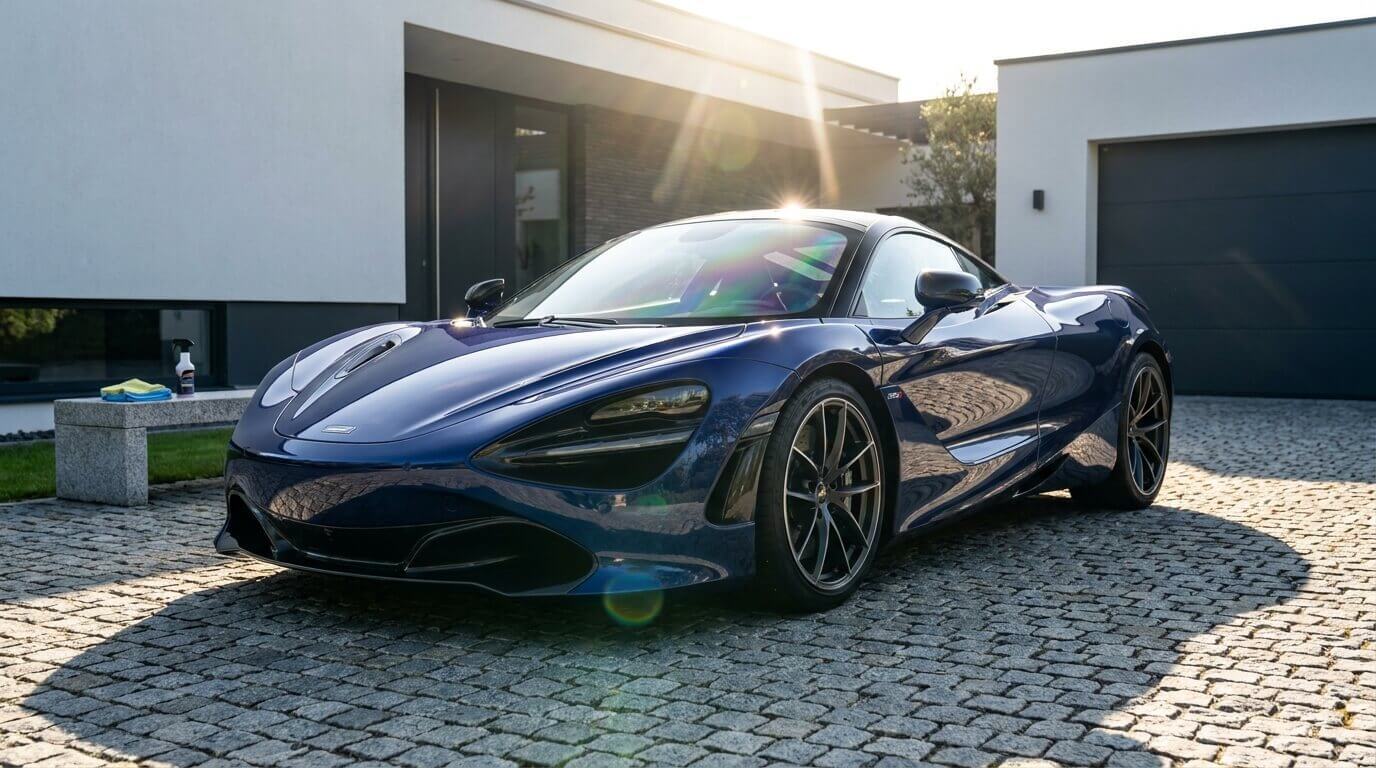
Why Some PPF Does Turn Yellow (The Real Culprits)
PPF yellowing does happen but it is not random. It follows a clear pattern tied to three specific factors: the quality of the film material, the quality of the installation, and how the owner maintains the film afterwards. Each of these factors has a measurable contribution to yellowing cases in the field.
Poor Quality Film (80% of Yellowing Cases)
The largest share of PPF yellowing, roughly 80% of all reported cases, comes directly from low-grade film material. This is not a minor contributing factor; it is the dominant cause. Budget film manufacturers reduce production costs by cutting the components that fight yellowing.
- Budget PPF brands remove UV protective layers from the film stack entirely
- Cheap polyurethane lacks the molecular stability of quality TPU and breaks down faster under sunlight exposure
- No self-healing technology means minor surface scratches remain open, exposing lower film layers to UV and accelerating PPF discoloration
When a film has no UV blocking, every hour of sun exposure degrades the material further. The yellowing is not a defect that develops suddenly, it is a slow, steady breakdown baked into the product from day one. Budget film is cheaper upfront but consistently fails within 1–2 years in sunny or hot climates, forcing a costly replacement far earlier than expected.
The lack of self-healing also compounds the issue. Scratches in a non-self healing film allows for UV radiation, moisture and airborne chemicals to enter the film. The scratches shorten the life of the material, and the yellowing spreads outward from the damaged spots. With moderate heat, these entry points close automatically via a self-healing topcoat in premium film, protecting that with no compromise.
Bad Installation (10–15% of Cases)
Around 10–15% of PPF yellowing cases trace back to installation errors rather than film quality. Even a premium film can fail visually if it is applied incorrectly. The most common installation mistake is wet application in conditions with high ambient humidity.
Wet installation uses a slip solution to position the film on the paint surface. When this solution traps residual moisture between the film and the paint, the moisture cannot fully escape after the film bonds. That trapped humidity creates a haze layer that appears yellow or cloudy, especially visible in direct sunlight. This effect is often permanent and requires full PPF removal and reapplication to fix.
Improper surface preparation is the second major installation error. Any contamination, oil, or residue on the surface of the paint which occurs before film application will interfere with the bonding of the adhesive layer. Because of poor adhesion, the micro-gap allows air and water to enter over time, thus resulting in localised PPF yellowing and edge lifting. TeckWrap's dry-install system eliminates the humidity variable entirely by using a process that does not rely on wet slip solutions. This single difference removes 10–15% of all potential yellowing causes before the film even settles on the car.
Owner Neglect (5–10% of Cases)
The remaining 5–10% of PPF yellowing cases come from post-installation neglect. The film is designed to protect paint, but it still has a surface that reacts to sustained chemical exposure from environmental contaminants.
- Bird droppings left on the film contain uric acid, which burns through the topcoat layer and creates permanent chemical stain marks that appear yellow
- Tree sap left unwashed bonds chemically with the film surface, causing oxidation and visible discoloration that spreads over time
- Harsh, acidic car wash products strip the topcoat gradually with each wash, removing the UV protection layer and exposing the film core to direct sun damage
Each of these is fully preventable with fast action and correct product choices. Bird droppings and tree sap that sit on the film for more than a few hours in warm weather begin to react with the surface. Once the topcoat is chemically burned or stripped, the film beneath is vulnerable to every form of degradation including yellowing. The fix is simple: remove contaminants quickly and use only PPF-safe cleaning products.
How to Keep Your PPF Crystal Clear (Maintenance Tips)
PPF maintenance is straightforward when you follow the right steps consistently. You do not need expensive products or specialist equipment for routine care. Read the complete maintenance guide for a full breakdown of tools and frequency for every step.
The four core maintenance actions that prevent PPF yellowing and preserve film clarity are:
- Wash weekly with mild soap and rinse thoroughly to remove contaminants before they bond to the surface
- Remove bird droppings and tree sap immediately using a dedicated PPF-safe remover spray before heat sets them
- Use only pH-neutral, PPF-safe products for all cleaning, decontamination, and dressing applications
- Apply ceramic coating over PPF to add a hard sacrificial layer over the topcoat that resists chemical bonding and UV penetration
One of the highest-grade long-term protection improvements you can make is to apply a ceramic coating over paint protection film. The ceramic layer is applied over the PPF topcoat, and is subject to the most exposure from UV rays, chemical exposure and surface abrasion. This helps to maintain the topcoat's properties underneath for a longer period of time, directly increasing the film's discoloration resistance. It also renders the surface hydrophobic, keeping the bird droppings and sap sheet off more easily, instead of adhering quickly.
Routine weekly washing removes the accumulation of industrial fallout, pollen, and road chemicals that slowly degrade any clear surface. These contaminants do not cause instant yellowing, but their cumulative effect over months without washing weakens the topcoat progressively. Weekly maintenance resets that accumulation before it reaches a damaging threshold. Paired with immediate response to bird droppings and sap, these habits extend the life and clarity of your PPF well beyond what the product achieves on its own.
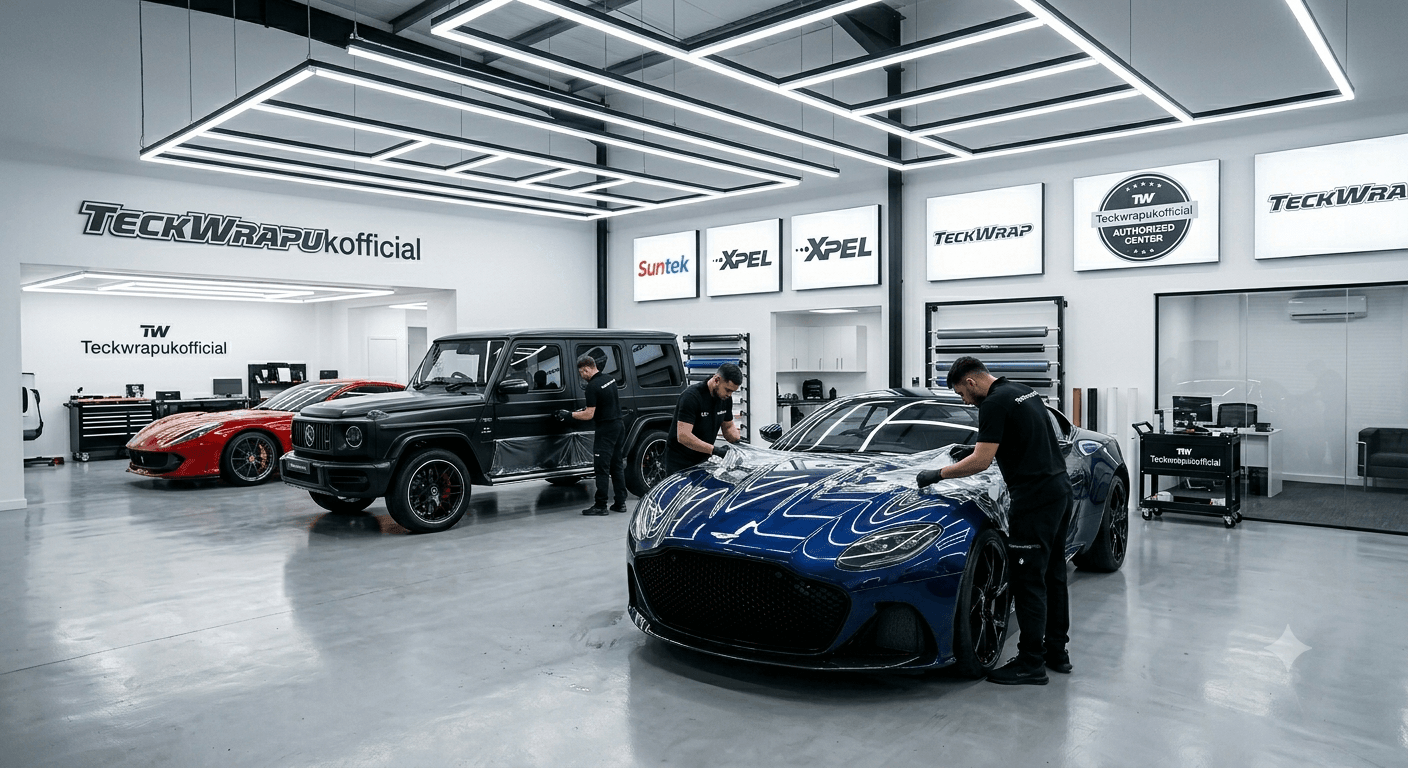
TeckWrap PPF: Premium Quality That Stays Clear
TeckWrap PPF is engineered specifically to address every cause of PPF yellowing at the material, installation, and performance level. Each product feature directly corresponds to one of the failure points that cause inferior films to discolour over time. The key features that keep TeckWrap film crystal clear:
- USA-sourced TPU material provides the highest-grade base film with proven optical clarity and long-term molecular stability
- Self-healing topcoat absorbs 99% UV radiation, blocking the primary driver of PPF discoloration before it reaches the film core
- Dry-install system removes all humidity from the installation process, eliminating haze and yellowing caused by trapped moisture
- 5-year warranty covers yellowing from manufacturing defects, giving you documented protection against film failure
The USA-sourced TPU used in TeckWrap PPF is not a general-purpose polyurethane. It is a film-grade compound formulated for optical clarity and UV resistance across a full decade of outdoor exposure. This material selection alone separates it from the cheap polyurethane used in budget films that show yellowing within 1–2 years. The self-healing topcoat then ensures that minor surface damage does not become an accelerant for deeper degradation.
The 5-year warranty on TeckWrap PPF is a specific, written commitment that covers yellowing from manufacturing defects. This warranty creates accountability that budget brands avoid entirely. When a manufacturer guarantees against PPF yellowing in writing, it reflects confidence in the material's actual performance, not a marketing claim. That is the difference between a product built to last and one built to sell.
Protect your car's paint with a film engineered to stay clear for over a decade. Explore TeckWrap's full range of premium paint protection film and choose the right option for your vehicle.Ready to protect with PPF that stays crystal clear?
Explore TeckWrap PPF & View All Products!
FAQs: Real Customer Concerns About PPF Yellowing
Q: How fast does cheap PPF yellow?
Budget PPF can begin yellowing within 1–2 years, especially in hot or high-UV climates. Low-grade polyurethane lacks strong UV protection, while premium TPU-based PPF resists UV damage and stays clear for many years when installed correctly and maintained properly.
Q: Can yellowing be fixed once it starts?
Minor surface yellowing may sometimes improve with professional treatment, but severe yellowing cannot be reversed. Once the film material or adhesive has degraded, replacement is the only reliable solution. Choosing premium PPF and following proper maintenance is the best way to prevent yellowing.
Q: Does the UK climate reduce the risk of yellowing?
Yes, the UK's lower UV levels can slow yellowing, but they do not eliminate the risk. Low-quality PPF can still discolor because of heat, moisture, and environmental contaminants, making premium UV-resistant paint protection film the better long-term choice.