
19th Jan 2026
The Pros of Using Vinyl Wrap for Your Car's Interior
A vinyl wrap for car interior offers an easy way to refresh your cabin without replacing original parts. TeckWrap UK provides premium films that improve style, protect surfaces, and allow future changes without permanent modifications.
Many drivers want a cleaner and more modern cabin without spending heavily. Replacing dashboards, trims, or consoles often costs much more than wrapping them. A quality interior vinyl wrap gives a fresh appearance while keeping factory materials underneath. It also lets you personalise your vehicle without making permanent changes.
Whether you own, lease, or plan to sell your vehicle later, wrapping delivers practical benefits. It suits drivers wanting better looks, easier maintenance, and more flexibility throughout ownership.
Why Wrap Your Car's Interior?
Your vehicle's cabin faces daily wear from regular driving and passenger use. Keys, rings, bags, and sunlight slowly affect interior surfaces every single day.
A car interior wrap covers these visible areas without replacing expensive factory trims. Instead of changing original panels, you simply improve their appearance with quality vinyl. This approach works well for several different types of vehicle owners.
A leased vehicle owner can refresh the cabin without making permanent changes. When the lease finishes, the wrap can usually be removed carefully.
A budget-conscious owner can improve worn trims without paying replacement costs. Small interior upgrades often create a noticeable difference inside the vehicle.
Drivers protecting resale value also benefit from removable vinyl films. Original surfaces remain covered during everyday use, helping preserve their condition.
If you simply enjoy personal styling, wraps offer many attractive finish options. You can create a unique cabin without changing factory-installed interior parts.
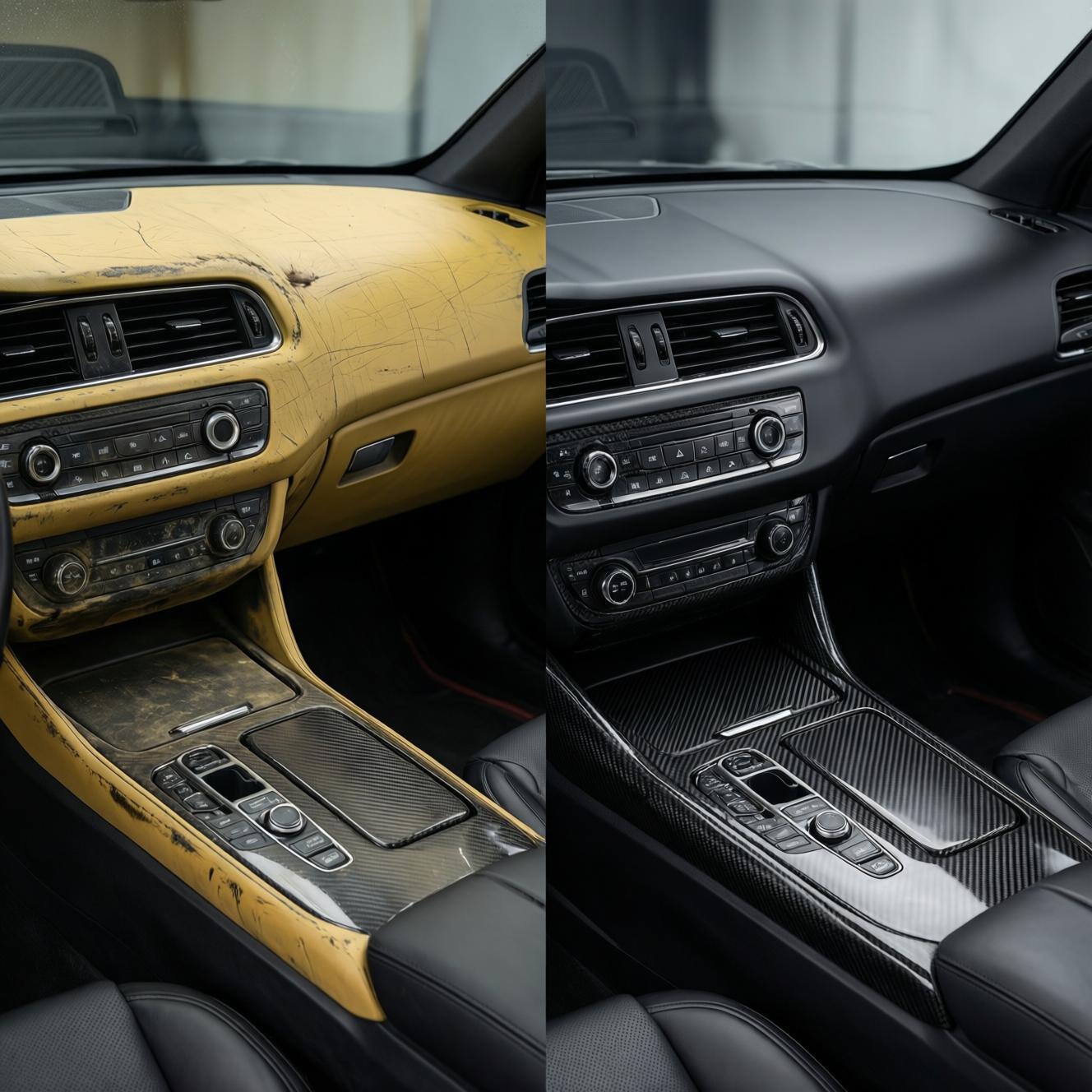
Benefits of Vinyl Wrap for Car Interiors
Choosing a vinyl wrap for car interior offers more than visual improvement alone. It also gives practical advantages throughout everyday vehicle ownership. Some of the biggest benefits include:
- Lower cost than replacing damaged interior trim pieces.
- Helps reduce everyday scratches from regular use.
- Covers faded or outdated interior surfaces quickly.
- Removes cleanly when applied and removed correctly.
- Offers many colours and textured finish choices.
- Supports future design changes without replacing original parts.
TeckWrap UK offers several premium film collections suitable for interior styling. Popular choices include carbon fibre vinyl wrap, brushed metal vinyl wrap, matte vinyl wrap, gloss vinyl wrap, and structure vinyl wrap finishes.
Drivers wanting realistic textures often choose carbon fibre texture for sporty interiors. Others prefer brushed metal texture for a modern premium appearance. A soft-touch finish creates a refined cabin feel, while matte and gloss interior film provide different visual effects depending on personal preference.
If you enjoy unique interior designs, browse structure and textured finishes to explore more creative styling options.
Popular Interior Wrap Options
|
Surface |
Common Issue It Solves |
DIY Difficulty |
|
Dashboard vinyl wrap |
UV fading and daily sun exposure |
Moderate |
|
Centre console |
Scratches from keys and regular handling |
Easy |
|
Door trims |
Wear from frequent entry and exit |
Moderate |
|
Steering accents |
Dated appearance and everyday wear |
Difficult |
|
Seat backs and side panels |
Interior styling refresh |
Difficult |
Every interior surface has different shapes and installation challenges. Flat pieces usually suit beginners much better than curved interior components.
DIY or Professional? A Straight Answer
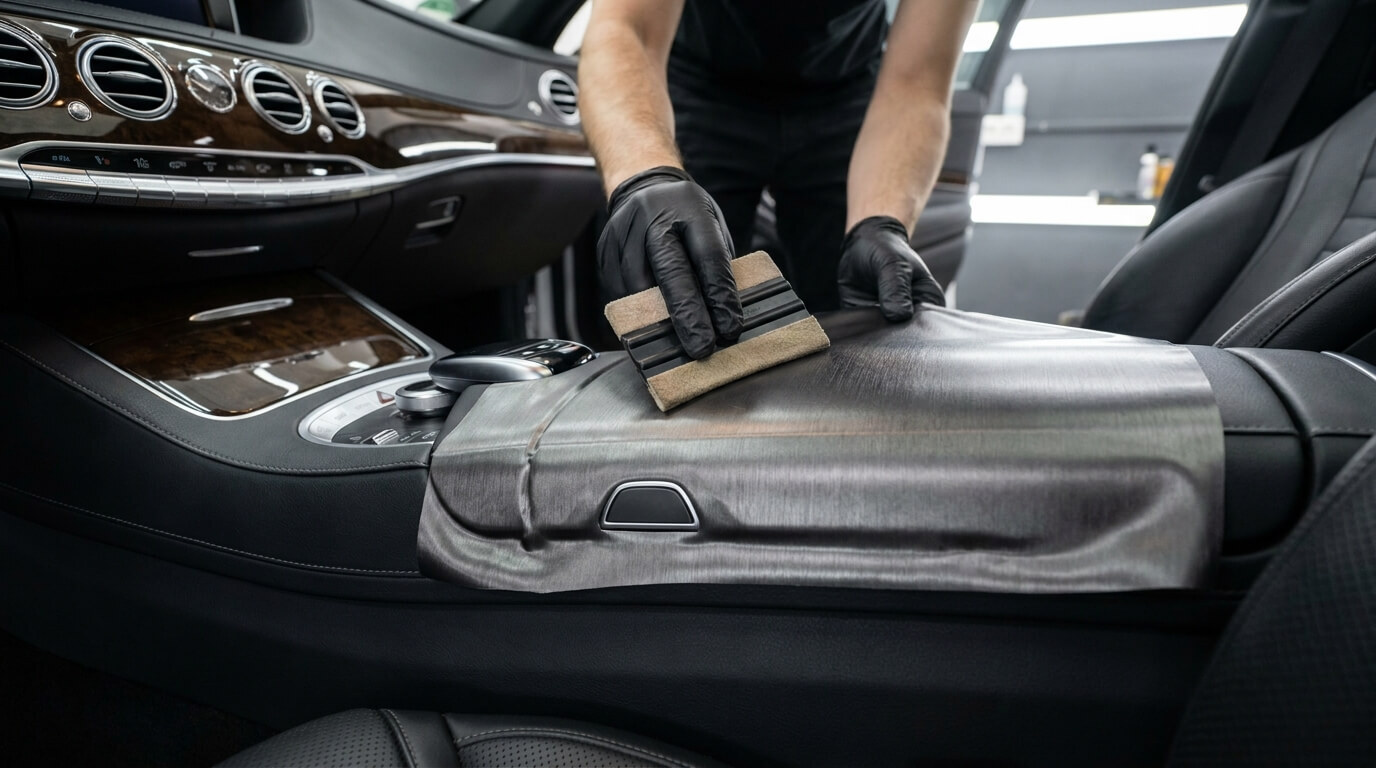
Is DIY interior car wrap worth trying? It only depends on the surface you plan to wrap.
- Flat areas like centre consoles usually feel easier for first-time installers. Larger panels with simple shapes also give better learning opportunities.
- Curved dashboards, steering accents, and detailed trims require greater experience. These surfaces often need careful stretching and finishing for clean results.
If you plan to install vinyl yourself, start with easier interior pieces first. Difficult areas usually produce better results through experienced professional installation.
For practical preparation advice, read the step-by-step guide to wrapping interior car parts before making your decision.
If you still compare cabin upgrades with exterior styling, explore the exterior vs interior wrap comparison to understand which option better matches your goals.
If your priority focuses on protecting your interior long-term, the dedicated guide explains protection-focused benefits.
Upgrade Your Interior with TeckWrap UK
A quality vinyl wrap for car interior gives your cabin a fresh look without replacing factory parts. It suits leased vehicles, daily drivers, project cars, and resale-focused owners alike. You gain greater design freedom while keeping future changes simple and reversible. TeckWrap UK offers premium films in many colours and textures to match different interior styles and personal preferences.
Shop TeckWrap Interior Vinyl Films!
Frequently Asked Questions
Why does matte interior wrap sometimes develop a shiny patch, and can it be fixed?
A matte finish can become shiny after repeated rubbing or heavy cleaning. Rings, watches, and constant hand contact often polish the surface gradually. Strong chemical cleaners may also change the original finish. Minor marks sometimes improve with gentle cleaning, but permanent polishing usually cannot be reversed. Replacing the affected piece often delivers the best visual result.
Is interior vinyl wrap different from exterior wrap film?
Yes, the two films often serve different purposes and surface conditions. Interior trim usually includes tighter curves and textured plastics requiring careful application. Exterior films mainly protect painted body panels against outdoor conditions. Choosing the correct automotive customisation film helps improve fit, appearance, and long-term performance for each application.
Can I install a DIY interior car wrap, or should I hire a professional?
You can successfully wrap simple and flat interior pieces with proper preparation. Centre consoles and small trim panels usually suit beginners much better. Curved dashboards, steering accents, and complex trims often require greater experience. Professional installation generally produces cleaner edges and smoother finishes on difficult interior components.
Does interior wrap removal damage the original surface underneath?
A correctly installed wrap normally removes without harming factory interior materials. Gentle heat softens the adhesive before carefully peeling the film away. This process helps reduce adhesive residue and unnecessary surface stress. Proper installation and careful removal remain the biggest factors protecting the original finish below the vinyl.